

に 親密な接触を一時停止する 接続を失わずに, 必要なことを短く言う, 明確な文章を書いて、まず動きを止めてください. お水を頼むことができます, 位置の変更, 掃除, 快適さチェック, 静かな, または完全停止. 次のステップは開いたままにしておく必要があります: 続く, コースを変更する, 性行為なしで再接続する, またはアクティビティを終了する.
一時停止は再開を約束するものではありません, 劇的な説明は必要ありません. つながりは、二人が罪悪感を持たずに新しい情報をどのように扱うかによって生まれます。, 推測する, 交渉する, または圧力. アクティビティ自体について中立的な背景が必要な場合, このガイドは フィンガープレイに関する基本的な内容 ここでのコミュニケーションの焦点とは別のものです.
つながりを失わずに親密な接触を一時停止する方法
最も単純な一時停止には 3 つの部分があります:
- 一時停止を言ってください: 「ちょっと休憩してもいいですか?」
- 動きを止めて: 説明を待っている間は触り続けないでください.
- 次のステップを開いたままにしておきます: 「水が欲しいです, それから私は自分自身に確認します。」
3 番目のステップは毎回異なる場合があります. もうやめたいとわかっているかもしれません, あるいは、決断するまでに少し時間がかかるかもしれません. どちらも完全な答えです. 思いやりのあるパートナーには期限の確実性は必要ありません.

一時停止は情報です, 拒絶ではない
人は普通の理由で立ち止まる. 誰かが喉が渇いているかもしれない, トイレが必要です, 枕を移動したい, 手首が窮屈であることに気づく, 気が散る, 掃除したい, または快適さが変わったことに気づきます. これらの理由のどれも、彼らがパートナーや関係についてどのように感じているかを自動的に定義するものではありません.
へのリクエスト 親密な接触を一時停止する 人が理由を挙げる前に来ることもあります. 不確実性が重要である. RAINNの同意ガイダンス 同意を明確に説明する, 自発的な, そして継続中, アクティビティ中に撤回できるとのこと. 言葉や態度が曖昧になったとき, 有効な対応は、立ち止まって確認することです。瞬間を解釈しようとしている間は続行しないでください。.
「一時停止」を「何か悪いことをした」とか「あなたはいらない」と解釈しないようにしてください。代わりに現在の選択について尋ねてください. 問題が発生した場合, 一時停止することで、同時に相手の失望に対処する必要もなく、その言葉に名前を付ける余地が生まれます。.
3 つの部分からなるリセットを使用する
動きが止まったら, 短いリセットにより、一時停止が面接になるのを防ぐことができます:
- 現在: 「今の気分はどうですか?」
- 好み: 「スペースが欲しいですか?」, 実用的なことを手伝ってください, または会社?」
- 選択: 「次のことは今決めますか?」, 以降?」
一度に 1 つずつ質問し、沈黙を許可します. 相手が最も不快でないものを選択しなければならないほど、すぐに複数の選択肢を積み重ねないでください。. 彼らが「分かりません」と言えば、,」それを一時停止し続ける理由として扱います.
間を明確にする言葉
一時停止の言葉は直接的であり、謝罪の中に要求を隠さない場合に最も効果的です。. 便利なオプションとしては、:
- "一時停止, お願いします. 少し時間が必要です。」
- 「位置を変える間、止めてもいいですか?」?」
- 「次に何が欲しいかを決める前に、水が欲しいんです。」
- 「今は快適ではありません, だからやめたいんです。」
- 「それでも近くにいたい, でも今はそれ以上触れたくないのです。」
必要に応じて理由を付けることもできます, しかし、一時停止の根拠を作る必要はありません. 計画的子育ての性的コミュニケーションに関するガイダンス 好きについて話すことを強調する, 嫌い, 好みが異なり、変更される可能性があるため、境界線を設定します. 瞬間を超えたより幅広い会話のために, Callimis には次のガイドもあります。 親密さについて率直に話す.
パートナーが一時停止を求めたら適切に応答する
最初の応答が雰囲気を決める. "もちろん,” 「止めてもいいよ」,「」または「教えてくれてありがとう」は、相手を慰めることなく要求を認めます。. フォローアップの質問をする前に立ち止まってください. 身体的な快適さのために接触を徐々に終了する必要がある場合, 一時停止を要求した人にその動作を指示してもらいます.
すねるのを避ける, 繰り返し尋ねる, 要求を最小限にする冗談, または「でも、あなたはこれが好きだと思っていました。」過去の関心が現在の瞬間を決めるわけではない. ACOG の健全な関係に関するガイダンス 人々は性的な境界線を設ける可能性があり、性的行為を強要されるべきではないと説明している. 一時停止を尊重することが当面の優先事項です; 感情について話し合う場合は、双方がその会話を望むまで待つことができます.
次のすべてのステップを確実に利用できるようにする
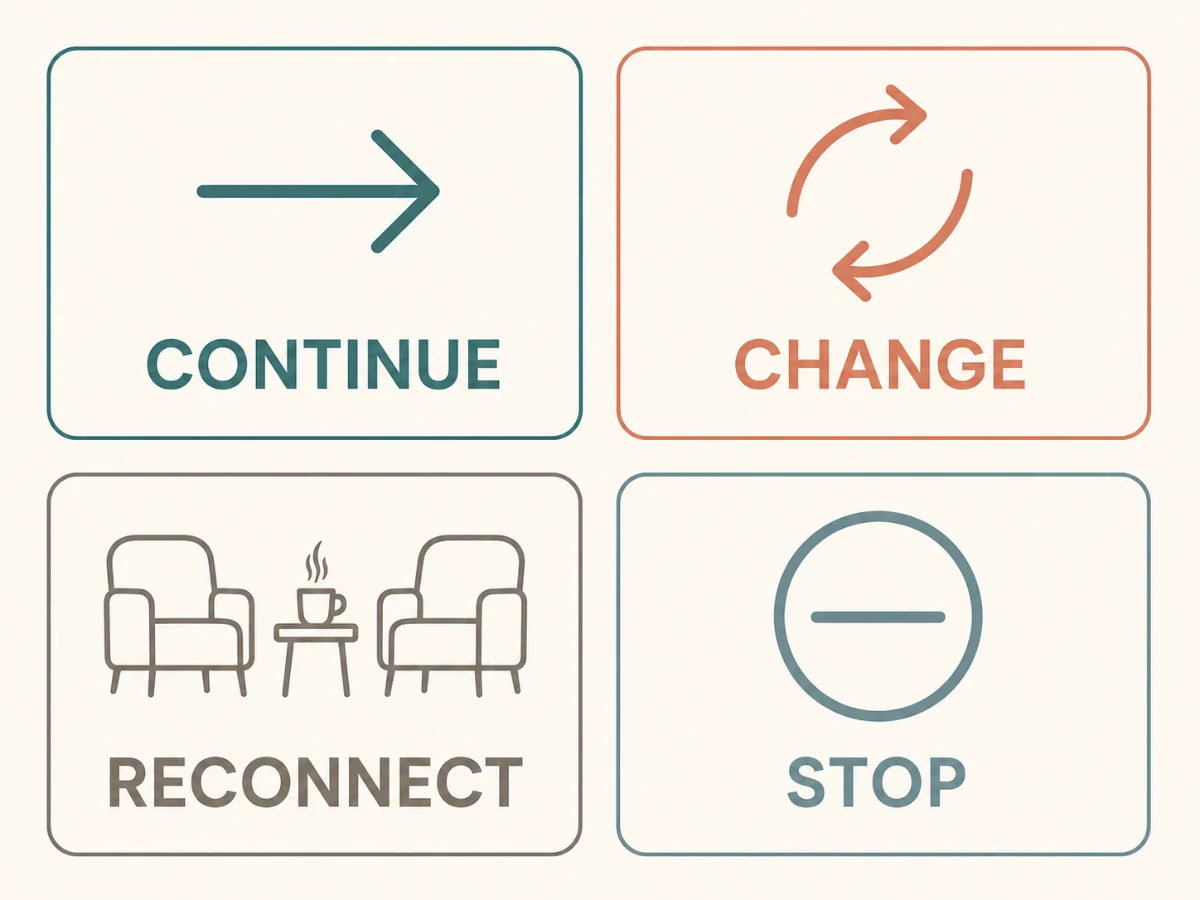
「続行」だけが歓迎される場合、チェックインは中立ではありません. 同じ重みで選択肢を提供する:
- 続く: クリア後のみ, 現在, 具体的な次のステップについてのプレッシャーのない選択.
- 変化: 位置を調整する, ペース, 設定, または、全員が変化を望んでいる場合はアクティビティ.
- 再接続: 話す, 水を共有する, 近くに座る, または、それを性行為に戻るルートとして扱わずに、別の種類の親密さを選択します.
- 停止: 罰を与えずに活動を終了する, 交渉する, または説明義務.
パートナーは同じ一時停止の後に異なることを望む可能性があります. 目標は、当初の計画を維持する妥協点を見つけることではありません. 誰もが自由に受け入れる選択肢だけを選ぶことです. パートナーが以下の場合にも同じ原則が適用されます。 さまざまな親密さの好み: 共有された答えはないが、1 人に境界を越えるよう求める答えよりも優れている.
義務を課さずに実質的なリセットを行う
実践的なサポートにより一時停止が容易になります: 水を持ってくる, 枕を動かす, 光を調整する, タオルを提供する, 電話を沈黙させる, またはその人に部屋を与える. 何がサポートになるかを推測するのではなく、助ける前に尋ねてください. 「水があれば助かるかな?」 修正リストを持って誰かの上に立つよりも多くの選択肢が残されています.
リセットと再開の決定を分けてください. 快適になる, 飲み物を受け入れる, 手をつないで, または、同じ部屋に滞在しても、それ以上の接触に対する同意は得られません. ケアに感謝しながらも、その日はやめることを選択できる人.

再起動してはいけない場合
誰かが不確かなまま再起動しないでください, 静けさ, 凍った, 怖い, 苦しんでいる, 著しく障害のある, または明確な選択ができない. 境界を越えたら停止する, リクエストが議論されている場合, または、一方が断った後も尋ね続けた場合. 魅力を証明するためにすぐに継続する必要はありません, 信頼, 許し, または接続.
痛みも決断を変える. 痛みが消えるかどうかを試すために無理をしたり、別の活動をしたりしないでください。. 痛みを伴うセックスに関するACOGのガイダンス 頻繁な痛みや重度の痛みがある場合は、産婦人科または他の医療専門家に相談することをお勧めします. ここでも保守的な境界線です: 痛みが頻繁に起こる場合は、活動を中止し、個別のケアを求めてください。, 厳しい, またはその他の点に関して.
よくある質問
一時停止したい理由を説明する必要がありますか??
いいえ. 簡単な説明が必要な場合は役立つかもしれません, しかし、一時停止は、あなたの理由が十分であると他人を説得するかどうかに依存しません。. 「ちょっと立ち止まる必要がある」は十分明らかです.
一時停止すると雰囲気が台無しになります?
変わるのはその瞬間, しかし、変化は失敗と同じではありません. 敬意を持って一時停止することで選択を守り、正直なコミュニケーションが容易になります. 活動が再開されるかも知れません, 変化, または終了; それらの結果を台無しにした夜として扱う必要はありません.
一人が続けたい場合はどうすればよいですか?
全員が明確に次のステップを望んでいない限り、性行為を続けないでください。. より多くの接触を通じて解決するのは相手の責任にならなくても、失望は現実のものになる可能性があります.
一時停止信号を事前に計画できますか?
はい. 一言, 手信号, またはタップは、その意味が事前に議論されている場合に便利です. 信号は注意の代わりにはなりません: 計画された信号が使用されていない場合でも、不確実性に気付いた場合は停止する.
結論
に 親密な接触を一時停止する 接続が損なわれていない状態で, 明確にしてください, 動きを止める, 次のステップをすべて利用できるようにします. プレッシャーをかけずに一時停止に応答する, 必要な場合にのみ実際的なケアを提供する, 良い結果を得るために再開しないでください. 接続が継続しているように見える場合がある, コース変更, 静かに共有する, 後で話します, または敬意を持って立ち止まる.