

に セクシャル ウェルネスの購入について話し合う パートナーと一緒に, 会話を個別の決定に分ける: どちらかが興味があるかどうか, 彼らが必要とする情報は何か, 予算が許す範囲, プライバシーはどのように扱われるのか, 買うかどうか, そしてそのアイテムを使いたい人がいるかどうか. 製品について話すことは購入に同意するものではありません, それを支払う, またはそれを使用してください.
プレッシャーをかけずにセクシャル ウェルネスの購入について話し合う方法
プライベートを選択してください, 誰もがすぐに購入したり、親密な活動をしたりすることを期待していない、ゆっくりとした時間. 会話を歓迎するかどうかを尋ねることから始めます: 「セクシャルウェルネスアイテムについて考えているのですが、. いつかそのアイデアについて話してくれませんか?この質問には「はい」の余地が残っています," "今じゃない,」または「むしろやめたほうがいいです。」
次に、目的に名前を付けます. 好奇心を共有したいと思うかもしれません, 一緒に学ぶ, 共有スペースや予算に影響を与える項目について話し合う, または、パートナーに興味があるかどうかを尋ねます. 今日決定を求めていない場合ははっきりと伝えてください. 計画的子育ての性的コミュニケーションに関するガイダンス 好きについてオープンに話すことをサポートします, 嫌い, パートナーに推測してもらうことを期待するのではなく、境界線を理解する.

ある人にとってその話題が初めての場合, ~と同じプレッシャーフリーのアプローチを使用する 新しい親密な話題の会話を始める: 何を意味するのか定義する, どのような情報が役立つかを尋ねる, 次のステップはすべてオプションにしておきます. 製品カテゴリに精通しているからといって、特定のパートナーが講師や最終意思決定者になるわけではありません.
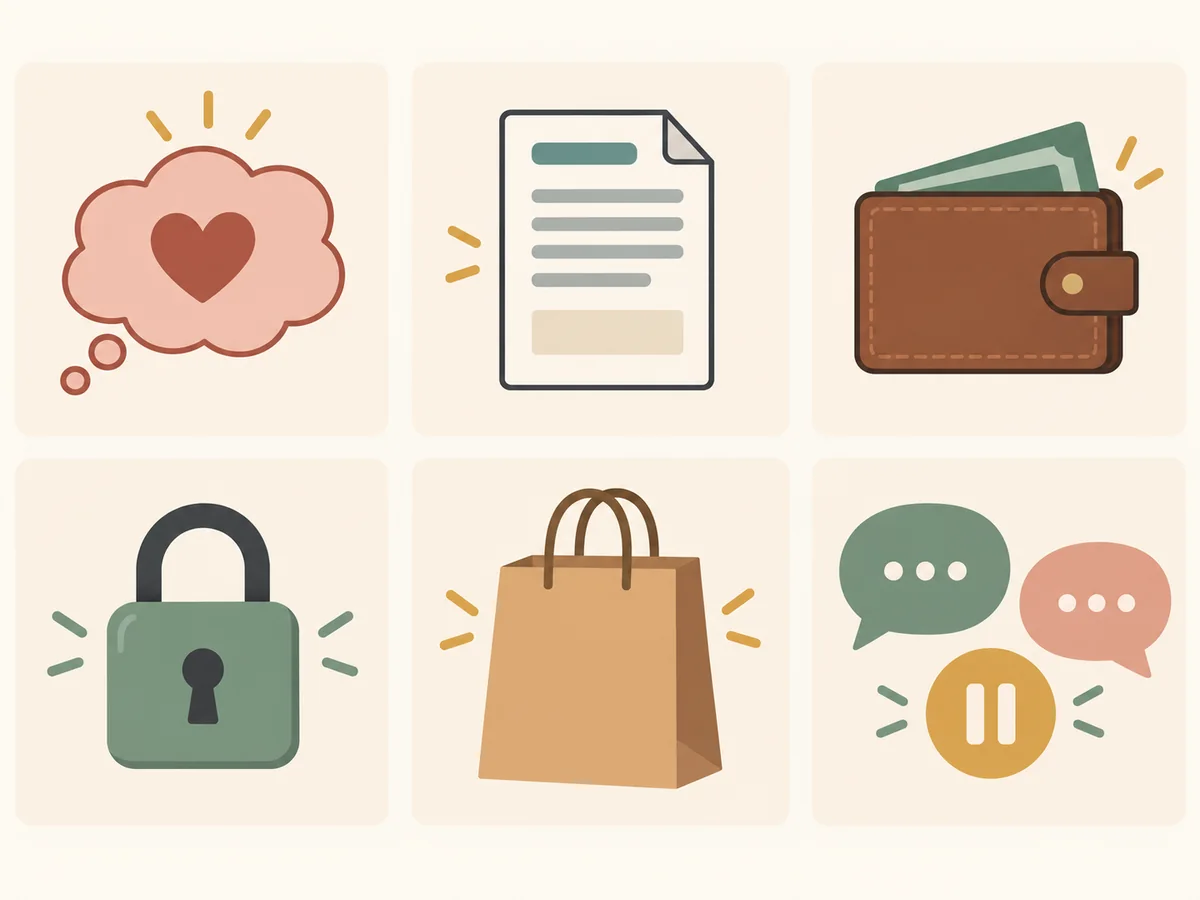
誰かが購入する前に6つの決定を分けてください
「これを手に入れましょうか?」のような 1 つの質問?」はいくつかの異なる質問を隠すことができます. 学習に対する「イエス」が支出や使用に対する「イエス」にならないように、一度に 1 つずつ話し合ってください。.
- 興味: どちらかがそのアイデアについて聞きたいですか? 好奇心, 不確実性, 「興味がない」はすべて有効な答えです.
- 情報: 各人がその商品について理解する必要があることは何ですか, 売り手, 材料, 説明書, ケア, ストレージ, または返品条件?
- 予算: 購入に個人のお金を使用しますか、それとも共有のお金を使用しますか, 許容できる総コストはいくらか?
- プライバシー: 誰がその注文を見ることができるのか, 配達, 声明, アカウント通知, 保管場所, または購入記録?
- 購入: 情報を確認して実際に商品を注文したい人はいますか??
- 考えられる用途: どちらかが後で特定の用途について話し合うことに興味がありますか? これは別の会話であり、別の答えが得られます.
セールスクレームでギャップを埋めるのではなく、未解決の質問を書き留めてください。, レビュー, または仮定. 「まだわかりません」は有益な結果です. つまり、双方が必要と考える情報を得るまで決定を待つことができるということです.
お金をプレッシャーに変えずに予算について話し合う
提案された購入が個人的なものであるかどうかについて最初に同意する, 共有された, またはまだ分類されていません. パートナーは個人的な支出と共有経費についてさまざまな取り決めを行うことができます, したがって、関係によって相手のお金に自動的にアクセスできると考えるのは避けてください。. 共有資金を使用する場合, 両方の人が同意するための真の機会が必要です, 下限を提案する, または断る.
Consumer.gov の基本的な予算編成ガイドライン 予算を毎月の支出の書面による計画として定義し、収入と支出をリストアップすることを推奨します。. この会話については, 単純なバージョンで十分かもしれません: 商品の値段を書きます, 税, 配送, サブスクリプションまたは交換の費用(明確に開示されている場合), そして利用可能な最大量. 全額の費用や不本意な態度をケア不足として隠さないでください.
- 「私の個人予算からこの金額までは支出できます。」
- 「私たちが共有のお金を使うことに抵抗がないのは、私たちがそれを選択した場合だけです。」
- 「総額は予想以上だった. 今日は決断するのではなく、立ち止まりたいと思っています。」
チェックアウト前にプライバシーとロジスティクスを含める
購入するとメールに記録が残る場合があります, ブラウザ履歴, ショッピングアカウント, 銀行取引明細書, 配送通知, 共有カレンダー, または玄関にある荷物. 各人が公開しても問題のないものと、現実的に非公開にできるものについて話し合う. 設定や配送方法を選択しても、購入が誰にも見られないことを保証することはできません.
どのアカウントを使用するかを尋ねる, 荷物を配達および保管できる場所, 通知を受け取る可能性がある人, 返品の際にレシートの保管が必要かどうか. 会話にメッセージが含まれる場合, 写真, または共有デバイス, へのガイド 広範なデジタル プライバシーに関する意思決定 受信許可を分離するのに役立ちます, 保存, コピー, または機密性の高いコンテンツを共有する.
販売者と製品情報を一緒に確認します
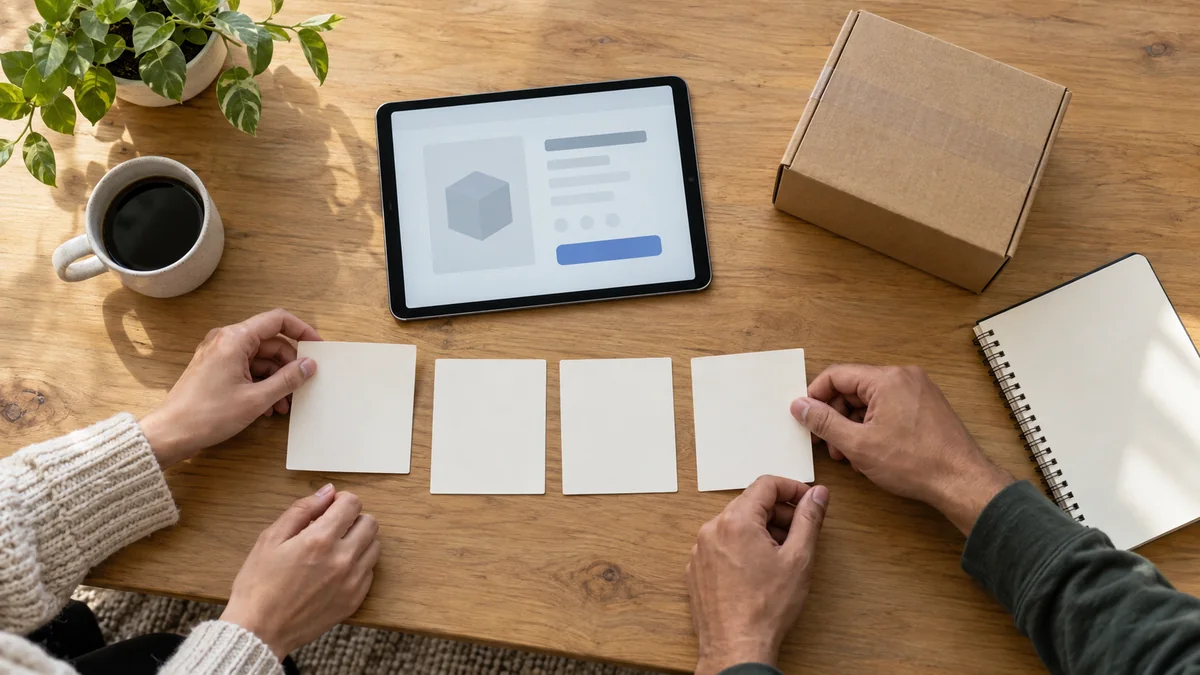
この会話では、どちらのパートナーも専門家になる必要はありません. 検証済みの情報とマーケティング情報を区別する必要がある. 完全な説明と指示を読む, 売り手を特定する, 合計価格を計算する, 配信を確認してください, 戻る, 返金, およびプライバシー規約. どちらかにとって重要な情報が欠落しているか不明瞭な場合, 確認されたチャネルを通じて販売者に連絡するか、購入を延期してください.
の FTC オンライン ショッピング ガイダンス 販売者と製品を確認することをお勧めします, 総コストを比較する, 配送と返品のポリシーを確認する, 購入記録の保管, サイトやアプリがどのような個人情報を収集するかを理解する. これらのチェックは、パートナーが取引を評価するのに役立ちます; 製品が適切であることを証明するものではありません, 効果的, またはどちらの人にとっても正しい.
購入と使用への同意は分けておいてください
アイテムを所有しているからといって、それを使用する義務は発生しません. お金を払っても性行為の負債は生じない. プレゼントに熱意は必要ない, デモンストレーション, または参加. 使用される前に, その時点で具体的な質問をすることで、コースの停止や変更が容易になります.
RAINNの同意 101 ガイダンス 同意を明確に説明する, 自発的な, 特定の, 継続中, プレッシャーを感じずにコミュニケーションが取れた. ブラウジングに「はい」, 買う, オープニング, または、1 つの使用可能性について議論しても、自動的に別のステップへの「はい」にはなりません。. 過去の関心が現在の答えに代わるものでもありません.
片方のパートナーが興味を持たない場合
「ノー」をオープンマインドであるかどうかの議論に持ち込まないでください, 冒険好きな, 愛する, またはコミットされた. 境界を理解するのに役立つものだけを尋ねてください, そしてその人が説明したくないかもしれないことを受け入れます. 即座の答えは、共有のお金で商品を購入しないことかもしれません, 共有スペースに保管しないこと, その使用についてはこれ以上議論しないでください, それとも併用しないのか.
人それぞれ好みが違うとしたら, プレッシャーのないフレームワーク さまざまな親密さの好みに対処する 役立つかもしれない: 相手を評価せずに名前を付ける必要がある, 本当に許容できるオプションのみを比較する, 適切な共有オプションが見つからない場合は一時停止します. 会話の成功は正直な選択によって測られます, 購入が行われるかどうかではありません.
会話例
あなたはこう言うかもしれません: 「セクシャルウェルネスアイテムを見つけたので興味があります」. 私はあなたに何かを買ったり使用したりするよう求めているわけではありません. 私が興味を持ったことを喜んで聞いていただけますか?答えが「はい」の場合, 続く: 「何かを決める前に, 情報を見ていきたいと思います, 総費用, プライバシー, そして私たちのどちらかが次のステップに興味があるかどうか。」
聞いているパートナーも同様に明確に答えることができます: 「それについて学ぶことに抵抗はありませんが、今日決断することはできません」,「共有金をこれに使用したくない」,” 「個人的な購入には応じますが、共有使用は受け付けません」,」または「このカテゴリについては議論したくない。」それぞれの回答は、汎用的な「はい」または「いいえ」を強制するのではなく、実際の決定を識別します。.
よくある質問
パートナーは個人的なセクシュアル ウェルネスの購入をすべて開示する必要がありますか??
必ずしもではありません. 有益な質問は、購入に共有資金を使用するかどうかです。, 共有スペースまたはアカウントに影響を与える, 他の人を巻き込む, または既存の契約と矛盾する. パートナーは、互いの個人的な選択への無制限のアクセスを主張することなく、それらの境界について話し合うことができます.
性的健康に関するサプライズギフトは良いアイデアですか??
まずはカテゴリーとギフトの境界について尋ねてください. 受取人がアイテムを受け取ることに同意していない場合、またはその使用について話し合っている場合に、サプライズはプレッシャーを与える可能性があります。. たとえ歓迎された贈り物であっても、それを開いたり、一緒に使用したりすることに同意することはありません.
予算について意見が合わない場合はどうすればよいですか?
共有購入を一時停止する. 既存の金銭契約に基づいて個人支出が受け入れられる選択肢であるかどうかを明確にする, または買わないことを選択する. 恥ずかしさを利用しないでください, 緊急, または経済的な決断を迫られる性的失望.
アイテムを一緒に研究することは、そのアイテムを使用することに興味があることを意味しますか?
いいえ. 研究では、購入または使用に関する同意書を作成しなくても質問に答えることができます. あなたが現在どのような決定を下しているのかを述べ、その後の決定を個別に再検討します.
結論
最も明確な方法は、 セクシャル ウェルネスの購入について話し合う 会話の許可を求めることです, その目的を説明する, そして別の利息, 情報, 予算, プライバシー, 購入, そして同意. どちらの人もどの段階でも一時停止できます. 慎重なプロセスが購入を保証するものではありません; 双方が正直な選択をする能力を保護します.