
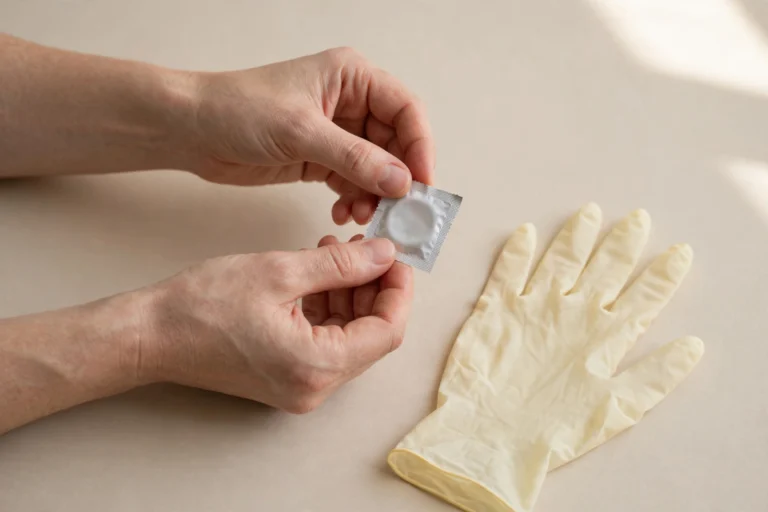
Latex allergy finger condoms are a bad match. Callimis finger condoms are made of natural latex. If you have a latex allergy, do not use them. Most skin reactions to latex are mild irritation, not allergy. A true latex allergy is different. It can start within minutes, and it can affect more than the skin. This guide explains how to tell the two apart, what to watch for, and what to check before you buy.
A finger condom touches thin, sensitive skin, so a reaction shows up fast when one happens. A quick check before you buy takes ten seconds. You cannot return a used barrier.
What Latex Allergy Is
Latex allergy is a reaction to certain proteins in natural rubber latex. The rubber comes from the sap of the rubber tree. The proteins stay in the finished product in small amounts. Your immune system can learn to react to them after repeated contact. Doctors call this sensitization. Once it happens, the next contact can trigger symptoms.
の CDC NIOSH latex allergy guide puts it plainly: the amount of exposure needed to cause sensitization is unknown, and more exposure means more risk. People who handle latex often — health care workers, for example — develop reactions more often than people who rarely touch it. Most people use latex for years with no problem. A small number become sensitive over time.
Latex Allergy Symptoms to Watch For
Not every reaction to latex is an allergy. The CDC describes three kinds of reactions, and they look different from each other. The table below lays them out.
| Reaction | When it shows up | What it looks like |
|---|---|---|
| Irritant contact dermatitis | During or soon after use | ドライ, itchy, irritated skin, usually on the hands; the most common reaction, and not an allergy |
| Allergic contact dermatitis (Type IV) | 24 に 96 hours after contact | A rash like poison ivy, often spreading past the contact spot; caused by manufacturing chemicals, not latex proteins |
| Latex allergy (Type I) | Within minutes, sometimes a few hours | Skin redness, hives, or itching; in serious cases, runny nose, sneezing, itchy eyes, scratchy throat, wheezing, coughing, or difficulty breathing; rarely, shock |
What the Timing Tells You
Timing is the clearest clue. True latex allergy usually starts within minutes, and its symptoms often go beyond the skin: itchy eyes, a runny nose, or a scratchy throat after contact point toward allergy rather than irritation. A rash that shows up a day or two later and stays where the latex touched points the other way, toward delayed contact dermatitis.
Severe reactions are rare, and the CDC notes one is seldom the first sign — but a mild reaction today is still a reason to stop and check.
Latex Allergy or Simple Irritation? How to Tell
The two problems feel alike at first: both can itch, and both can redden the skin. Four questions help you tell them apart.
初め, when did it start? Minutes after contact suggests allergy; a day or two later suggests delayed dermatitis or plain irritation. 2番, where is it? A reaction that stays where the latex touched is often irritation; one that spreads, or reaches the eyes and nose, looks more like allergy. Third, does it happen every time? Irritation can come and go with dry skin, 石鹸, or friction, while an allergy tends to repeat and get worse. Fourth, is breathing involved? Any wheeze, cough, or tight chest after latex contact is an allergy signal. Treat it as one.
If you cannot tell which one it is, treat it as an allergy until a clinician says otherwise. Stop using latex barriers, and do not test yourself again to find out. A clinician can confirm the cause with a skin-prick test or a blood test, and tell you whether the reaction came from latex proteins or from the chemicals used to make the product. That distinction decides which products you can still use.
Friction and dry skin can also redden skin with no allergy involved: a badly fitting finger condom rubs, and harsh soap leaves hands raw. The guide on 指用コンドームフィット covers what a good fit feels like. If the redness fades fast and never returns, fit or friction may be the cause. If it returns each time you use latex, look closer.
Who Is More Likely to React to Latex
Anyone can develop a latex allergy, but some people carry more risk. People with other allergies — hay fever, eczema, or asthma — develop it more often. The NHS leaflet on latex allergy notes the condition is more common in atopic people, who tend to develop allergies. Health care workers and people who have had many operations face higher risk too, because they meet latex often.
One more link is worth knowing. Some people with latex allergy also react to certain fruits: banana, avocado, kiwi, and chestnut. Doctors call this latex-fruit syndrome, because the proteins in these fruits resemble latex proteins closely enough to cross-react. A fruit reaction does not prove a latex allergy, and a latex allergy does not guarantee a fruit reaction. Mention the pattern to your clinician; it is not a diagnosis on its own.
What to Do If You React to a Finger Condom
Stop as soon as you notice symptoms. Take the finger condom off and wash your hands with soap and water, along with the area that touched the latex. Do not put on another latex finger condom to finish what you started. Switch to no barrier, or to a non-latex option if you have one ready. The guide on what to do if a finger condom breaks or slips off covers the same stop-and-replace habit for a different problem.
Watch what happens next. A mild skin reaction often fades within hours once the latex is gone. Note what you felt and when it started: that record helps a clinician, and if the same symptoms return with the next latex product, you have a pattern, not a one-off.
When to Get Urgent Care
Get urgent care if breathing is involved. Wheezing, a tight chest, swelling of the lips or tongue, or feeling faint after latex contact needs medical attention right away — do not wait to see whether it passes. A severe reaction can build fast. Keep the wrapper or the box if you can: it tells the clinician exactly which product you used.
After any reaction, talk to a clinician before you use latex again. An allergist can test for latex allergy and explain the result. The fix depends on the cause: a protein allergy means avoiding latex, while a chemical sensitivity may mean a different brand or product works fine. You cannot tell the two apart from symptoms alone.

Before You Buy: A Quick Latex Allergy Check
A ten-second check before you buy saves an awkward moment later.
初め, read the label. Callimis finger condoms are natural latex, and the label says so. の finger condom label glossary explains each word on the packet, ラテックスを含む, 厚さ, and lubrication. If a packet does not state its material, 推測しないでください: ask the seller, or pick one that does.
2番, think back. Have latex gloves ever made your hands itch? Have balloons left your lips tingling? Has a condom ever caused redness or itching? A yes to any of these is a reason to pause. It does not prove an allergy, but latex deserves a second thought before it touches sensitive skin.
Third, if you are unsure, ask a clinician before you buy. A short visit can settle the question with a test, and it costs less than a box of barriers you cannot use — far less than a bad reaction.
If You Already Know You Have a Latex Allergy
Fourth, if you know you have a latex allergy, do not buy natural latex finger condoms. Look for a non-latex barrier instead. This site does not sell a latex-free finger condom, and this guide will not pretend otherwise. A product you cannot use safely is a wasted purchase.
Fifth, check the date and the wrapper on the packet you buy. The guide on 指用コンドームの保管方法 covers dates, wrappers, and storage. Latex ages faster in heat and sunlight, and an old packet is a separate problem from allergy.
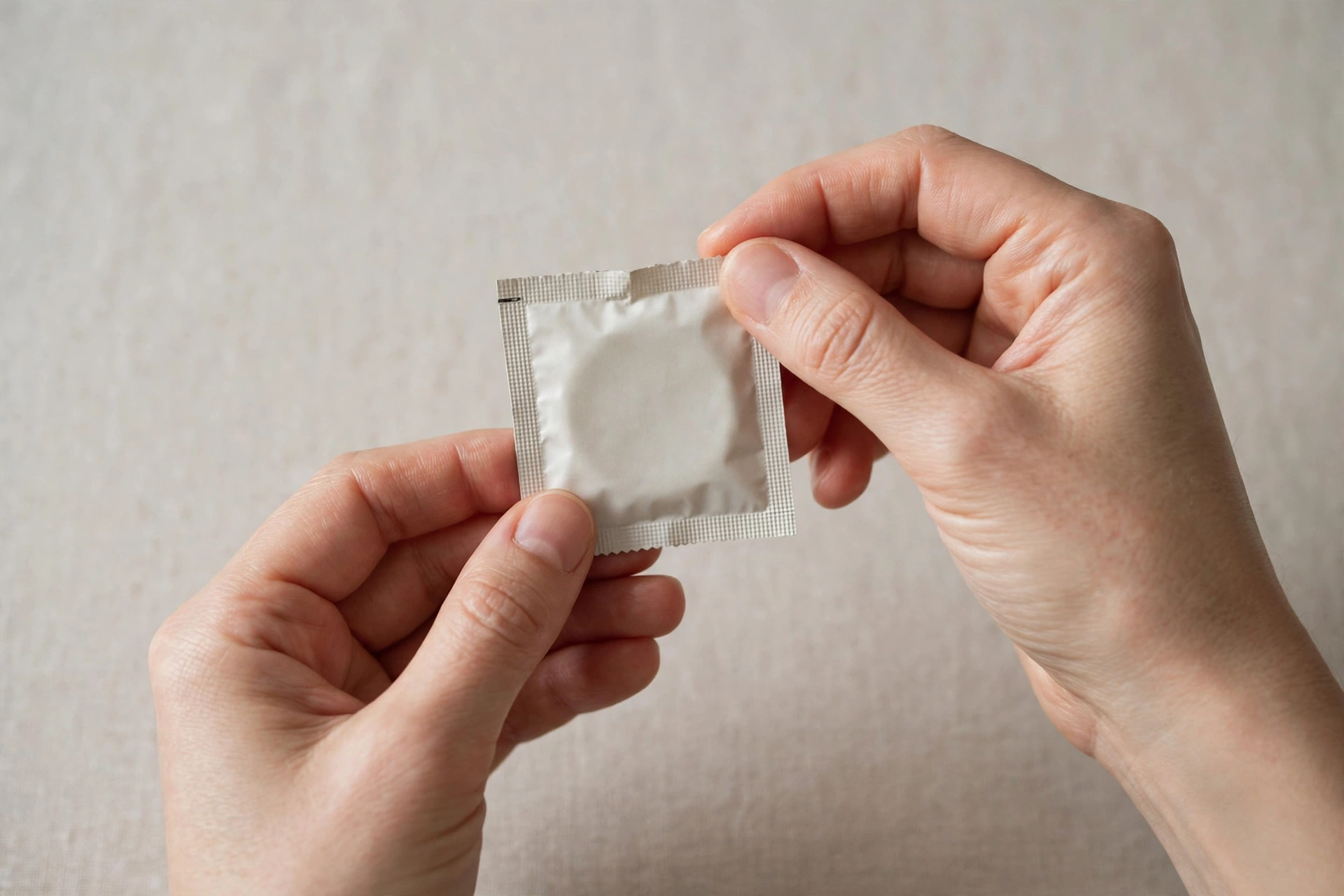
What Callimis Finger Condoms Are Made Of
Callimis finger condoms are natural latex, 指の形をした, そして使い捨て. They come pre-lubricated with a water-based, シリコンフリーの潤滑剤. The guide on what pre-lubricated means explains the lubricant in detail. The guide on do finger condoms prevent STIs explains what a finger condom can and cannot do. Neither guide claims a tested STI-prevention result for this product, and this one does not either.
That combination suits people who can use latex. It does not suit everyone. If latex is not safe for you, these are not the right product. Saying so plainly beats a vague warning: a barrier only works when the person using it trusts it, and trust starts with knowing what it is made of.
Products Mentioned in This Guide
The products below are the ones this guide refers to, all natural latex finger condoms for people who can use latex. Check the product page for the current price, カウント, and package directions before ordering.
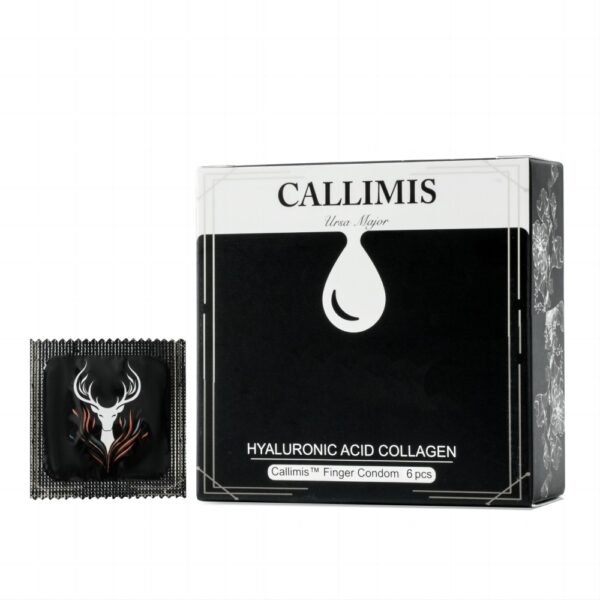
Callimis Finger Condoms Cot with Lubrication – 6 カウント
天然ラテックス, 指の形をした, 使い捨て, 水ベースの潤滑剤が塗布済み, シリコンフリーの潤滑剤. A small count for first-time buyers. $7.99 as listed on the site.

カリミス フィンガーコンドーム 潤滑剤付き, 12 カウント
Same natural latex, 指の形をした, 使い捨て, pre-lubricated format. The standard count for regular use. $14.99 as listed on the site.

潤滑性のあるセックス用指コンドーム, 24 カウント (のパック 2)
Same natural latex, 指の形をした, 使い捨て, pre-lubricated format. Two 12-count packs for people who already know latex works for them. $19.99 as listed on the site.
Latex allergy finger condoms do not mix. The check is short: read the label, think back to gloves or balloons, and ask a clinician if you are unsure. A mild rash is usually irritation, and irritation fades. An allergy repeats, spreads, and can reach your breathing. If you know latex is a problem for you, skip the latex aisle and choose a non-latex barrier. If latex has never bothered you, a natural latex finger condom is a simple, single-use barrier — and the packet, the date, and the fit are still worth checking before each use.
指用コンドームは使い捨てバリアです. It cannot fix a reaction once one has started. The safest habit comes before you buy: read the label, know your history, and keep the packet directions as the final authority.
This article is general information, 医学的アドバイスではない. It relies on general barrier guidance from public health sources and on the product facts in the site’s editorial record. It does not claim that any product prevents infections, and it does not diagnose or treat any allergy. If you think you may have a latex allergy, talk to a clinician.