

歯が歯科ダムを傷つけないようにするには, 歯を使って開けないでください, 所有, 噛む, またはシートをクランプします. 袋を指で開ける, ダムを検査する, 平らに置きます, 伸ばさずに優しく支えます, use lubricant that the package says is compatible, and pause if teeth touch the material. If the dam tears, 滑る, snags, or becomes difficult to inspect, stop and use a new one rather than trying to repair it.
No technique can make a dental dam tooth-proof or guarantee that it will not tear. Authoritative guidance supports careful opening, flat placement, compatible lubricant, gentle holding, inspection, and replacement after damage. No source reviewed for this article tests biting, scraping, clamping, or contact with a sharp tooth edge, so avoiding those contacts is a conservative handling step—not a durability claim.
Prepare the Dam Without Using Your Teeth
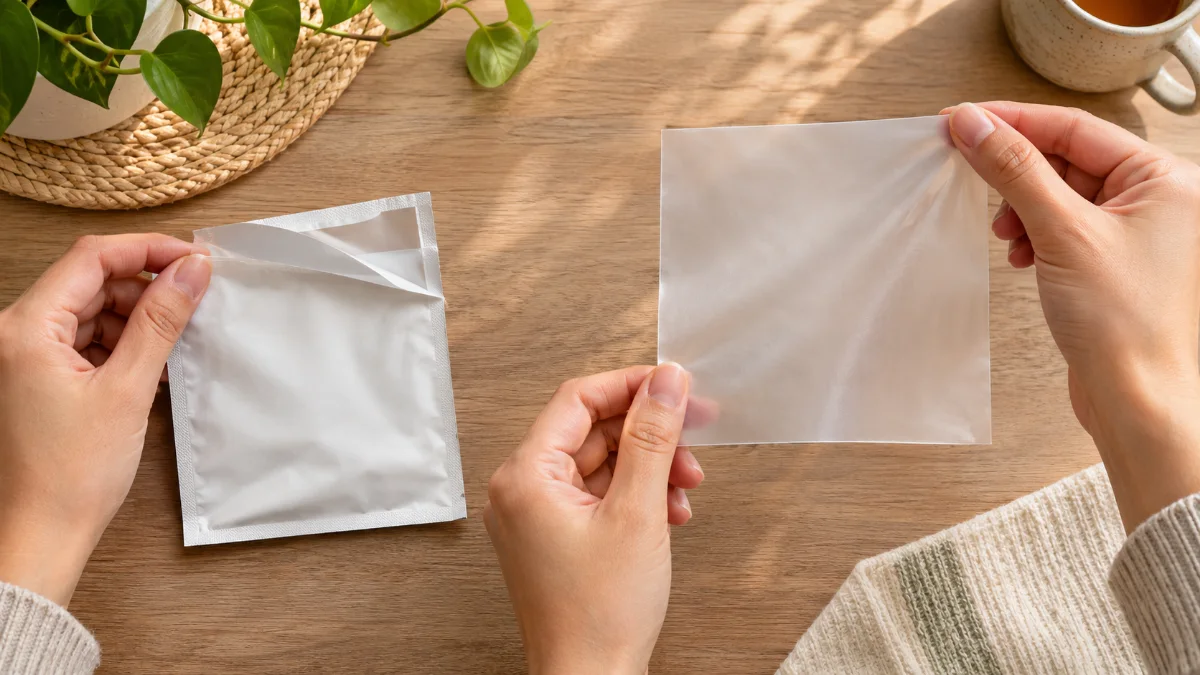
Damage prevention starts before the sheet reaches the mouth. の University of Guelph Student Wellness oral-dam guide says to open the package with fingers rather than teeth or scissors so the dam is not ripped. It also advises checking for tears or defects, using water-based lubricant, and holding the dam in place when needed.
Read the directions for the exact product in hand. 日付を確認する, ラッパーの状態, 材料, and lubricant instructions rather than assuming that every sheet has the same requirements. The Callimis package-first dental-dam checklist organizes those checks without treating marketing language as verified performance.
- Use your fingertips to open the packet at its intended edge.
- 歯を残す, はさみ, ジュエリー, and sharp fingernails away from the sheet.
- Unfold it slowly instead of pulling at a stuck corner.
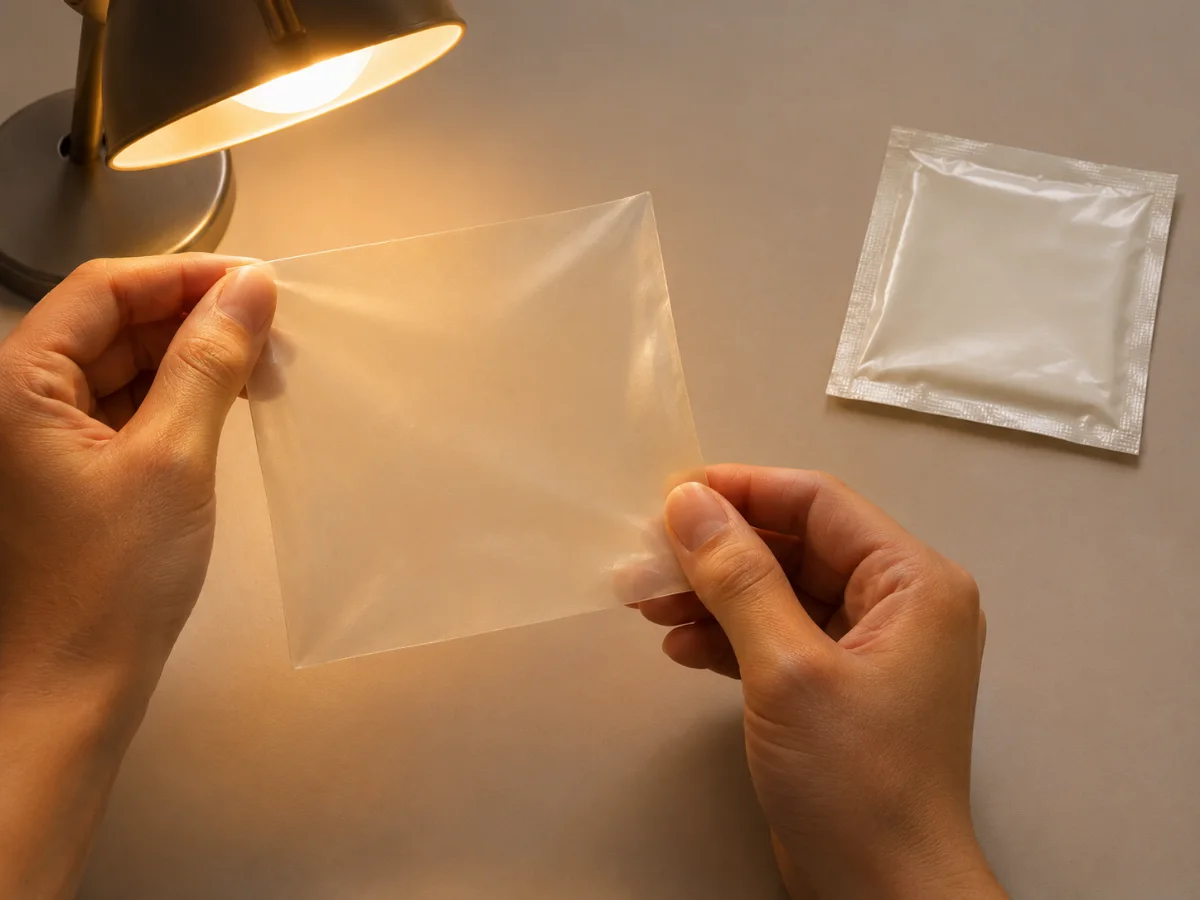
- Inspect the full surface in good light before contact begins.
- Replace the dam if the wrapper or sheet appears punctured, 破れた, ドライ, 粘着性のある, 変色した, or otherwise questionable.
Keep Teeth From Damaging a Dental Dam by Reducing Tension
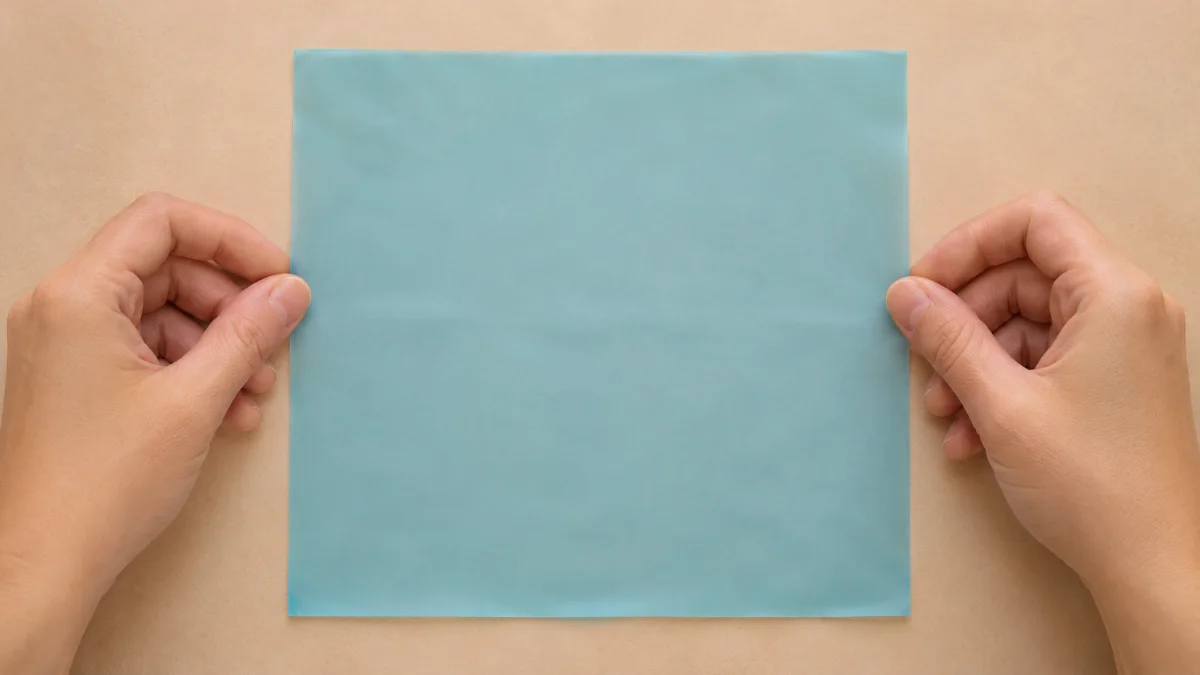
の CDC’s dental-dam instructions say to place the sheet flat over the vaginal opening or anus, 終わるまでそのままにしておく, make sure it has no tears or defects, and avoid stretching it because stretching can cause a tear. Tension is not proof of better placement. A flat sheet with lightly supported edges is easier to monitor than material pulled tight.
Use enough hand support to keep the intended area covered, but do not pull opposing edges like a drumhead. If the grip feels awkward, stop and change hand position before continuing. The Callimis gentle dental-dam holding guide explains two-corner and side-edge support in more detail.
- Lay the unfolded sheet flat before oral contact.
- Choose two corners or side edges that can be held with relaxed fingers.
- Keep the outline visible so folds, リフト, or shifts are easier to notice.
- Pause before changing grip instead of letting the sheet snap or drag.
- Recheck the material after an unexpected pull, 引っかかる, or tooth contact.
Avoid Biting, Clamping, and Dragging the Sheet
There is no reviewed, validated technique for making tooth contact safe for a dental dam. Treat teeth as something to keep off the sheet. Do not bite down to hold the dam, clamp an edge between the teeth, tug it with the mouth, or drag a tooth along the material. Use hands for placement and support; keep intentional mouth contact to the lips and tongue.
家族計画による歯科ダムに関するガイダンス says the sheet does not need to be stretched or pressed tight, recommends opening it carefully, and advises keeping stored dams away from sharp objects. Applying that sharp-object caution to deliberate tooth contact is a conservative inference. It does not prove that a particular dam will tear, nor does it promise that avoiding teeth eliminates damage.
Use Compatible Lubricant and Planned Pauses
Compatible lubricant can reduce friction and help a dam remain in position, but only the current package can confirm what belongs with the specific material. CDC’s general guidance recommends water-based or silicone-based lubricant and warns that oil-based products can cause latex dams to break. If the material or compatibility directions are unclear, stop and check instead of guessing.
Lubricant is not a fix for biting, overstretching, a puncture, or an uncertain sheet. Plan a short pause phrase such as “hold on” or “let’s reset.” Either person can use it when the dam shifts, the holder’s hands get tired, tooth contact occurs, or the material no longer feels easy to monitor. A pause protects the decision-making process; it does not certify the sheet’s condition.
Stop and Replace the Dam if Anything Changes
の Cleveland Clinic dental-dam guide says to stop if a dam slips or breaks and place a new one before continuing. Follow the same conservative reset when a tooth catches the sheet, a sharp edge drags across it, or you cannot confidently inspect the area that was contacted.
- 連絡を止める: do not keep going while trying to inspect the sheet.
- 慎重に取り外してください: keep track of which side faced the body and do not flip it for reuse.
- Inspect under good light: look for a hole, スプリット, stretched spot, or other change.
- Replace when uncertain: use a new dam rather than patching, trimming, washing, or reusing the old one.
- Ask for help when needed: a qualified health service can address individualized concerns after a barrier problem.
For wider context on how dental dams fit among other options, カリミス 口腔バリアオプションの概要 can help with navigation. Use current authoritative guidance and the package in hand for health and handling decisions; broad site content should not override them.
A Quick Before-and-During Checklist
- Open the packet with fingers, not teeth or scissors.
- Inspect the wrapper, 日付, and full sheet.
- Place the dam flat before oral contact begins.
- Support edges gently without stretching.
- Use only lubricant compatible with the product’s material and directions.
- Do not bite, clamp, tug, or drag teeth across the sheet.
- Pause after any snag, シフト, or accidental tooth contact.
- Discard and replace a damaged or uncertain dam; never repair or reuse it.
よくある質問
Can teeth puncture a dental dam?
Teeth can present a sharp-contact risk, but no reviewed source provides a puncture rate or a universal threshold for a dam. Do not bite or clamp the material. If a tooth catches it or its condition becomes uncertain, stop and replace the sheet.
Should I put another material between my teeth and the dam?
No authoritative source reviewed here validates an improvised layer, mouth guard, folded edge, or doubled dam for this purpose. Adding an untested material may change friction, 配置, or coverage. Use one dental dam according to its own directions and keep teeth off it.
What if I accidentally bite the dam?
Pause immediately. Remove and inspect the sheet in good light, then use a new one if you see damage or cannot confidently rule it out. Do not continue with a puncture, patch the material, or flip the same dam.
Where can I learn the basic dental-dam format?
The Callimis dental-dam introduction provides broad category context. Treat it as orientation only; current public-health guidance and the exact product package should control handling decisions.
結論
The practical way to keep teeth from damaging a dental dam is to keep teeth out of opening, holding, and intentional contact. Prepare the sheet with your fingers, inspect it, keep it flat with a relaxed grip, use compatible lubricant, and agree to pause when placement or condition changes. These steps reduce avoidable handling hazards, but they do not make a dam tear-proof or guarantee protection. Replace any damaged or uncertain sheet with a new one.