
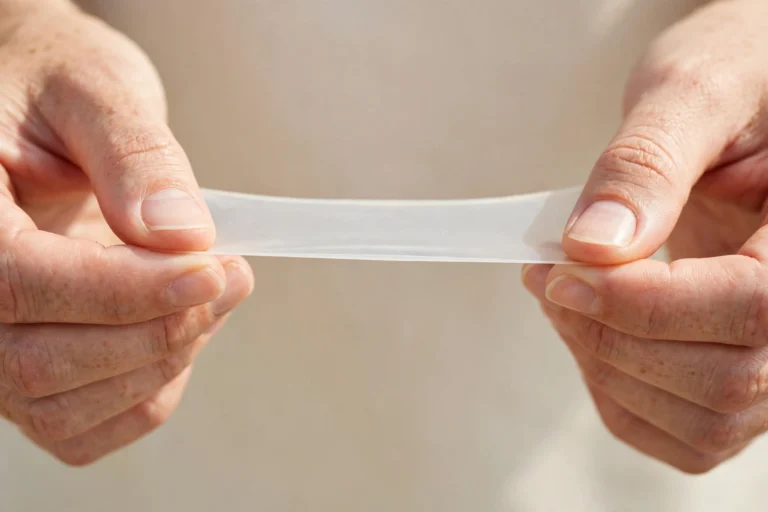
Se una diga dentale si rompe durante l'uso, fermatevi e sostituitelo con uno nuovo. Una diga distrutta non è più una barriera, e continuare con esso equivale a non usarne affatto. Toglilo, buttatelo, lavati le mani, e ricominciare con una nuova diga da un pacchetto sigillato. The fix takes a minute, and it is the only fix that works. A torn dental dam cannot be repaired, patched, o riutilizzato.
Tears are uncommon when the sheet is in date, stored well, and handled gently. This guide covers how to spot one early, what to do next, and the checks that keep the next sheet intact.
How to Tell If a Dental Dam Has Torn
A big tear is obvious: the sheet splits, an edge rips away, or a hole opens that you can see through. A small tear is harder to catch, and it is the one that gets missed.
A sudden change in feeling is the first sign. The sheet goes slack in one spot, or the contact feels different. A corner that was lying flat starts to curl away. A thin patch appears where the sheet stretched too far. Any of these means stopping to look.
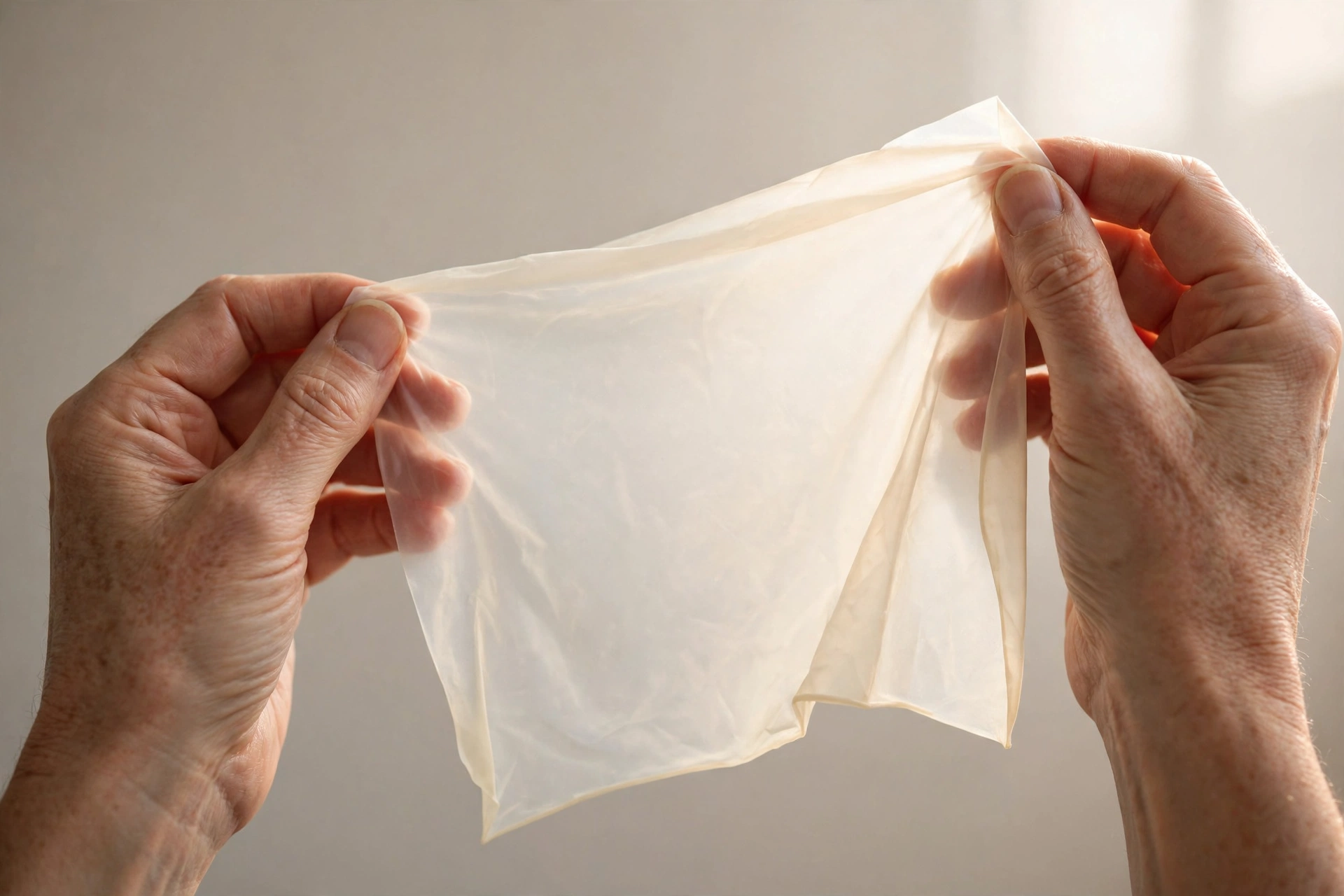
Hold the sheet up against the light: a tear shows as a line or a gap where the light comes through differently. Run a fingertip over the surface for a nick or a thin spot. If you find anything, the dam is done. There is no tear small enough to ignore.
What to Do When a Dental Dam Tears
The routine is short, and the order matters. Do it the same way every time so you do not have to think about it in the moment.
Primo, fermare. Say so plainly and pause what you were doing. A torn barrier is a reason to stop, not a reason to hurry through the rest. Your partner deserves to know right away.
Secondo, take the dam off carefully, folding it inward as you lift it away so the side that touched skin stays inside the fold. Bin it in household waste, non nel gabinetto.
Terzo, lavarsi le mani con acqua e sapone, and dry them properly. If you are going to continue, wash up before you open the fresh packet, not after. Clean hands keep the next sheet clean.
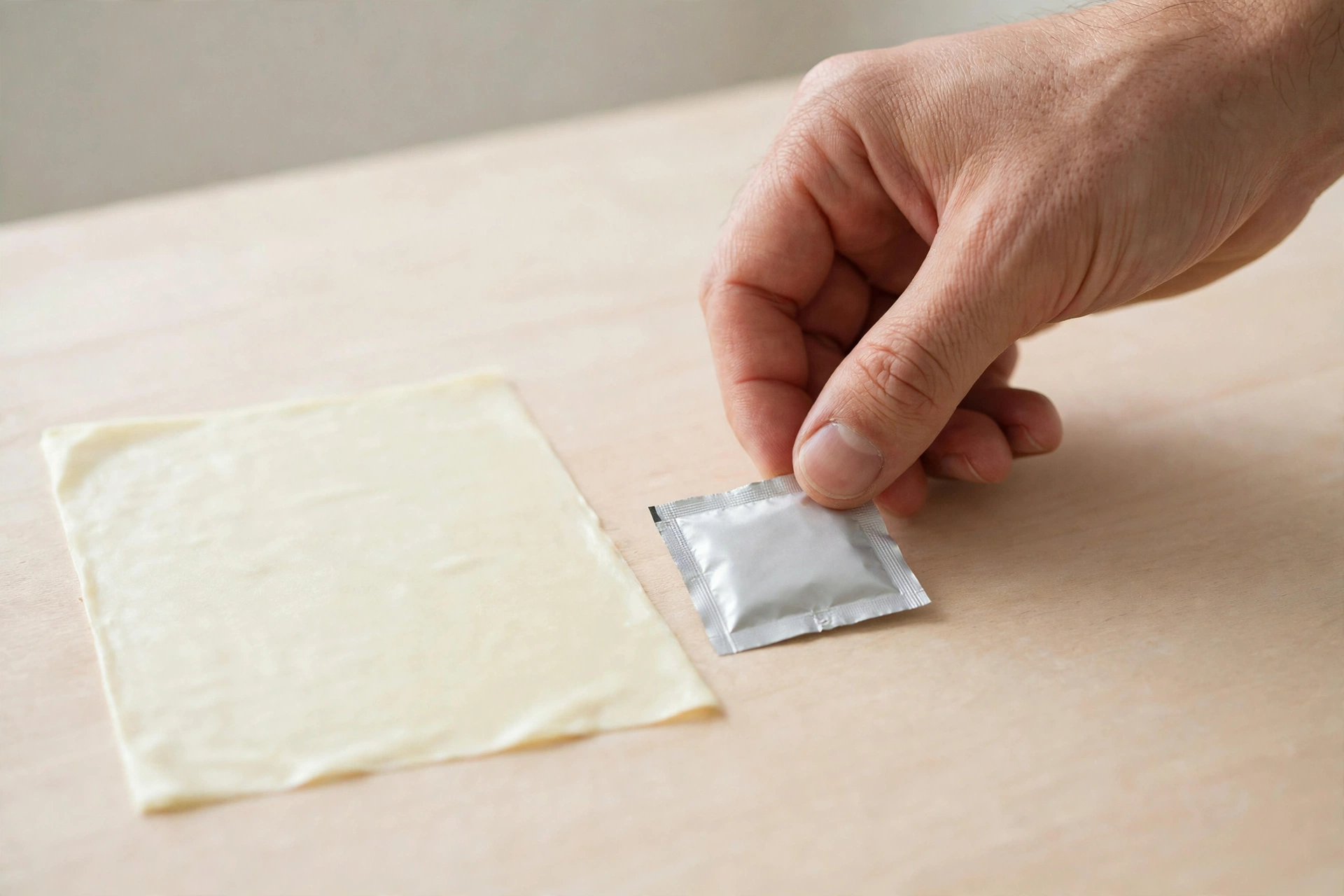
Quarto, decide whether to continue with a fresh dam. Take a new unit from a sealed packet, check the date and the wrapper, and open it with your fingers. If you have no spare, stop there.
If You Are Worried About Exposure
Speak to a clinician or a local sexual health service. They can talk through what happened and whether testing makes sense. This guide cannot judge your situation.
The CDC dental dam page states the same routine for a single-use barrier: utilizzare una nuova diga ogni volta, check the package, and discard it after use. A torn dam is a used dam.
Why Dental Dams Tear
Una diga dentale è sottile, lenzuolo piatto, solitamente lattice o poliuretano, senza cornice o guscio per proteggerlo. Thin means it can be damaged by things a thicker material would shrug off.
| Cause | How it tears the sheet |
|---|---|
| Teeth | A tooth nicks the sheet; the nick runs into a tear |
| Nails and jewellery | A sharp edge or a ring snags the latex |
| Stretching too far | Pulling the sheet taut thins it until it gives way |
| Oil-based products | Oil weakens latex, so the sheet tears easily |
| Expired or badly stored latex | Aged latex loses stretch and goes brittle |
Teeth are the most common cause, and the guide on how to keep teeth from damaging a dental dam covers the habit: keep the sheet still and teeth away from it. Nails and rings are second — trim nails before use and take rings off, since a single snag is all it takes. Stretching is the quiet one: a dam does not need to be pulled tight, and the guide on come mantenere una diga dentale in posizione covers better ways to keep it steady.
Oil, Age, e stoccaggio
Oil is the cause people forget. NHS guidance on condoms states plainly that oil-based products, including some moisturisers and massage oils, can damage latex. Use a water-based lubricant only.
Age and storage are the slow causes. La guida su do dental dams expire explains how latex ages: Calore, luce solare, e il tempo lo logora, and a brittle sheet tears more easily. The FDA latex condom labeling guidance explains how expiry dates are set by testing, and the packet date is the figure the maker stands behind.
Checking a Dental Dam Before Use Prevents Tears
Most dental dam tears are preventable, and the prevention is a check that takes less than a minute. Do it before every use, in the same order.
Leggi la data. Se è passato, prendi una nuova unità. Controlla l'involucro: a torn, aprire, or crushed one is a failed check, and so is a packet that looks damp or swollen. Aprilo con le dita, not your teeth and not scissors. La guida su come usare una diga dentale covers opening and unfolding step by step.
Unfold the sheet gently and hold it up to the light. Look for holes, thin spots, and nicks along the edges. If anything looks wrong, bin it and open another. A failed packet check costs one unit. A tear during use costs the barrier itself.
Keep a spare within reach. A tear is a small problem when a fresh packet is on the bedside table. La guida su come conservare le dighe dentali covers where to keep them: sigillato, Piatto, Freddo, Asciutto, e al riparo dalla luce del sole.
After a Dental Dam Tears: Hygiene Steps
The tear itself is handled in a minute. The clean-up takes a little longer, and it is worth doing properly.
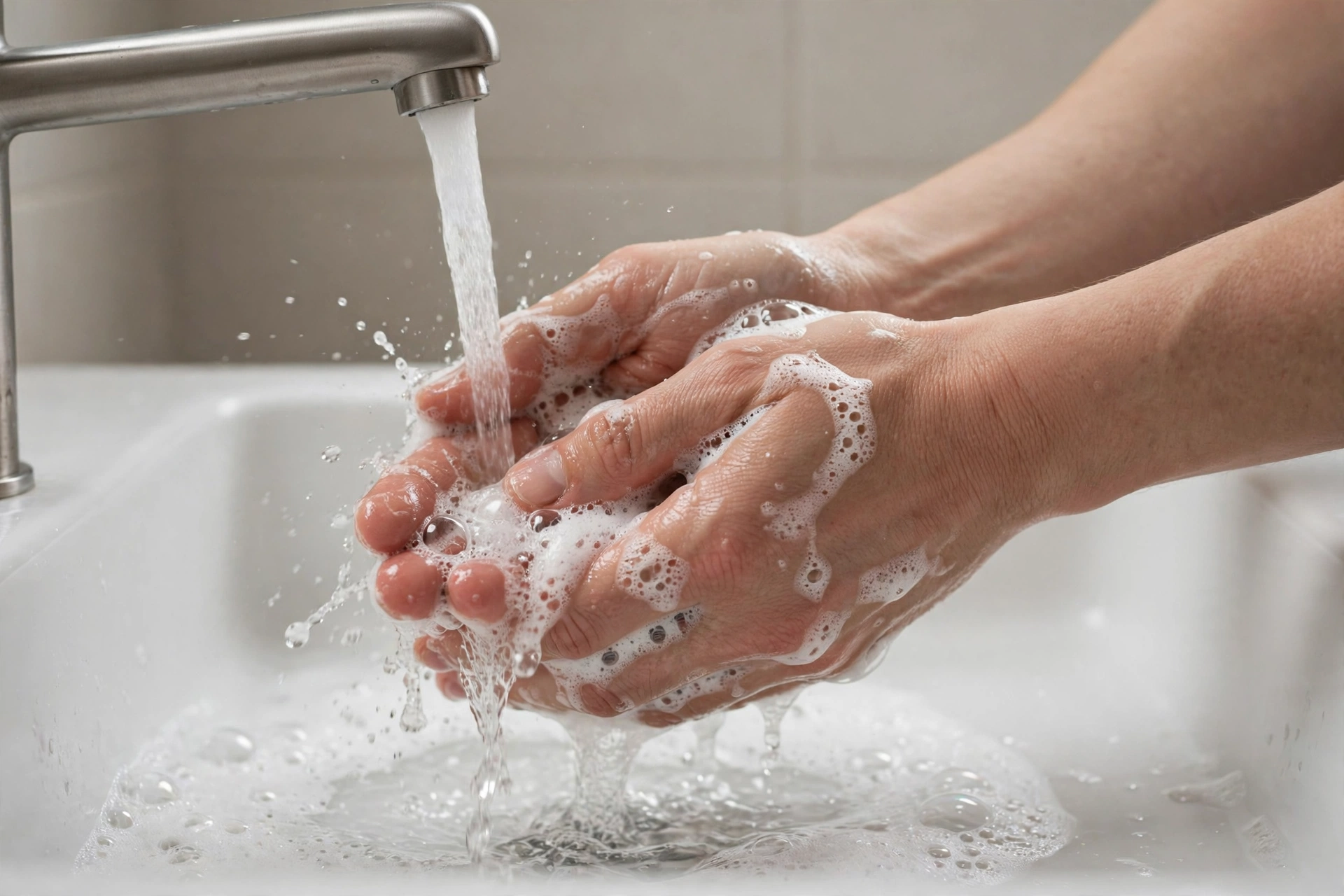
Wash your hands with soap and water, and dry them. If fluids reached skin, wash that area too. Bin the torn sheet in household waste, non nel gabinetto. Wipe down any surface the sheet touched, and wash your hands again after handling the bin.
Do not try to wash and reuse the dam. È monouso, and washing does not repair a tear. The same goes for a dam that only looks torn: if you are not sure, treat it as torn.
If the tear happened during oral sex and you are unsure about exposure, speak to a clinician or a local sexual health service. Bring the facts and let them advise on testing. Do not rely on home remedies.
Dental Dam Tears vs. Folds and Slips
A tear is not the only thing that can go wrong, and the fix depends on which one it is.
| Problem | Come appare | What to do |
|---|---|---|
| Tear | A split, hole, or ripped edge in the sheet | Fermare, buttatelo, and use a fresh dam |
| Fold | The sheet creases over on itself during use | Reposition it, or replace it if it will not lie flat |
| Slip | The sheet slides out of place | Hold it steady, or reposition and continue |
The tear is different from both. A folded sheet is still a barrier, but a torn sheet is not. A fold is the mildest of the three, and the guide on what to do if a dental dam folds during use covers it: smooth the sheet out and replace it only if it will not stay put.
If you are not sure whether the sheet tore or just folded, stop and look. Guessing wrong means carrying on with a broken barrier, and that is the one mistake this guide exists to prevent.
Common Questions About Dental Dam Tears
Can a torn dental dam be repaired?
NO. There is no safe way to patch a latex sheet. Nastro, glue, and folding the tear closed do not restore the barrier. Bin the torn dam and use a fresh one.
How common are dental dam tears?
Uncommon when the sheet is in date, stored well, and handled gently. Most tears trace back to the short list above: denti, unghia, over-stretching, olio, or an expired sheet. Fix the cause and the tears mostly stop.
What if I only notice the tear after we finish?
Bin the sheet and wash up. If you are worried about exposure, speak to a clinician or a local sexual health service. They can talk through testing and next steps. Do not assume the tear happened at the end.
Prodotti menzionati in questa guida
I prodotti riportati di seguito sono quelli a cui fa riferimento questa guida. Check the product page for the current price and count before ordering.
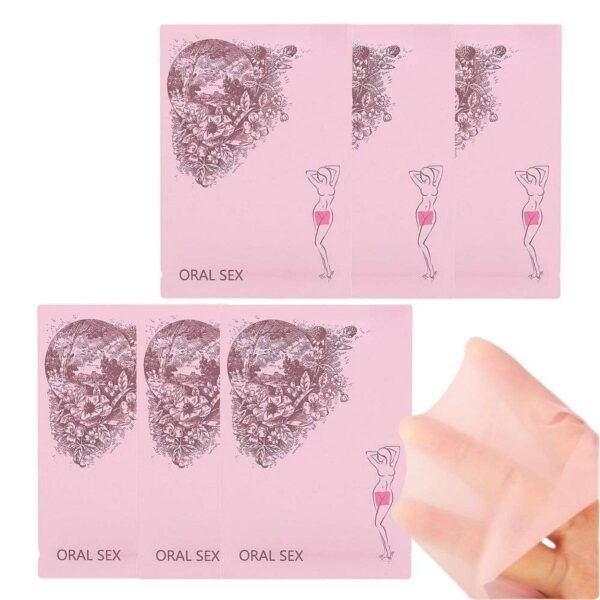
Diga dentale ultrasottile per uso orale, 6 contare
Una barriera in lamiera piana per il contatto orale, il formato di cui tratta questa guida. $9.99 come riportato sul sito. Visualizza il prodotto

Diga dentale Callimis, Sesso orale in bocca, 8 contare
The same barrier in a larger count, so a spare sealed packet is always on hand when a tear means reaching for a fresh one. $12.99 come riportato sul sito. Visualizza il prodotto
If a dental dam tears, the answer is simple: fermare, buttatelo, lavati le mani, and start again with a fresh dam. Do not patch it, do not carry on, and do not reuse it. The check before use is what keeps the next one intact: leggi la data, guarda l'involucro, and hold the sheet up to the light.
A dental dam is a thin sheet, and thin sheets tear. What matters is knowing what to do when one happens, and having a spare sealed packet close enough that the fix takes a minute.
Questo articolo contiene informazioni generali, non un consiglio medico. Si basa su indicazioni generali sulle barriere fornite da fonti di sanità pubblica e sui dati del prodotto contenuti nella documentazione editoriale del sito. Non afferma che alcun prodotto prevenga le infezioni. If you are worried about exposure, speak to a clinician or a local sexual health service.