

Per imparare come mantenere una diga dentale in posizione, adagiarlo prima del contatto orale e sostenere i due angoli o i bordi laterali con la punta delle dita rilassata. Non allungarlo; entrambi i partner possono trattenerlo, ed entrambi dovrebbero fermarsi se scivola, pieghe, si allontana dall'area prevista, o appare danneggiato.
Come mantenere una diga dentale in posizione
Il metodo di base è semplice: mantenere il foglio piatto, mantenere coperta l'area prevista, e utilizzare solo la pressione della mano sufficiente per evitare che i bordi si spostino. La guida sul sesso sicuro di Planned Parenthood dice che una diga dentale non ha bisogno di essere tesa o premuta saldamente contro la pelle; può essere tenuto delicatamente in posizione.
- Prima stendilo. Centrare il foglio aperto sull'area che deve coprire prima che inizi il contatto orale.
- Scegli due punti stabili. Pizzicare leggermente due angoli o tenerli lungo i due bordi laterali. Una presa rilassata è più facile da mantenere che tirare in direzioni opposte.
- Mantieni i bordi visibili. Essere in grado di vedere il contorno del foglio rende più facile notare una piega, sollevare, o spostamento.
- Pausa per regolare. Riposizionare la barriera prima di continuare ogni volta che la copertura cambia. Una pausa fa parte dell'uso corretto, non un fallimento.
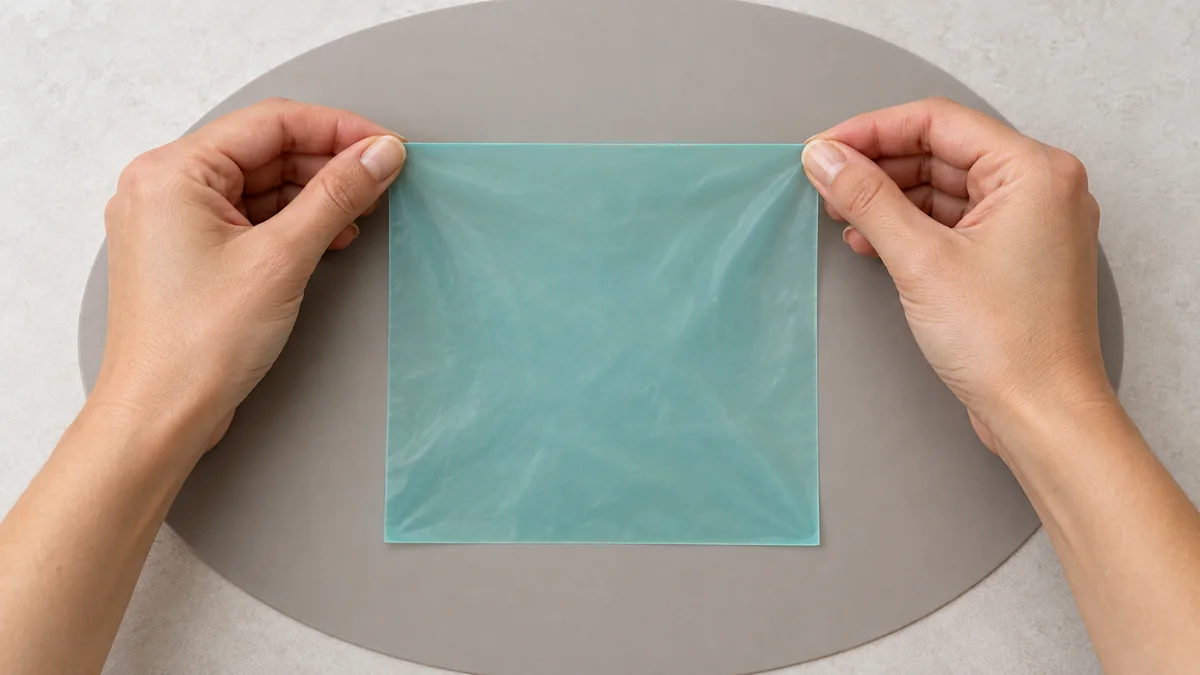
Preparare la barriera prima che qualcuno debba sostenerla
La preparazione riduce la quantità di gestione a metà attività. Leggi le indicazioni sulla confezione specifica in tuo possesso, controlla la sua data, apritelo con attenzione, e ispezionare il foglio in buona luce. IL Guida alla diga dentale CDC dice di utilizzare una nuova diga ogni volta, verificare la presenza di strappi o difetti, indossalo prima di iniziare il sesso orale, continua così fino al termine, e posizionarlo piatto sopra la vulva o l'ano.
Se hai bisogno di un'introduzione più ampia prima di esercitarti nella presa, leggi quello di Callimis panoramica più ampia della diga dentale. Per il contesto su dove si adattano le dighe tra le altre scelte, il sito ha anche un panoramica delle opzioni di barriera orale. Tali pagine forniscono il contesto dell'argomento; l’attuale guida del CDC e della salute sessuale dovrebbe controllare le decisioni sulla salute e sull’uso.
Il lubrificante può aiutare la barriera a stabilizzarsi e a ridurre l'attrito, ma la compatibilità dipende dal materiale barriera e dalle sue istruzioni. CDC consiglia lubrificanti a base di acqua o silicone per le dighe dentali e avverte che i prodotti a base di olio possono causare la rottura delle dighe in lattice. Quando il materiale è incerto, fermati e controlla il pacco invece di indovinare.
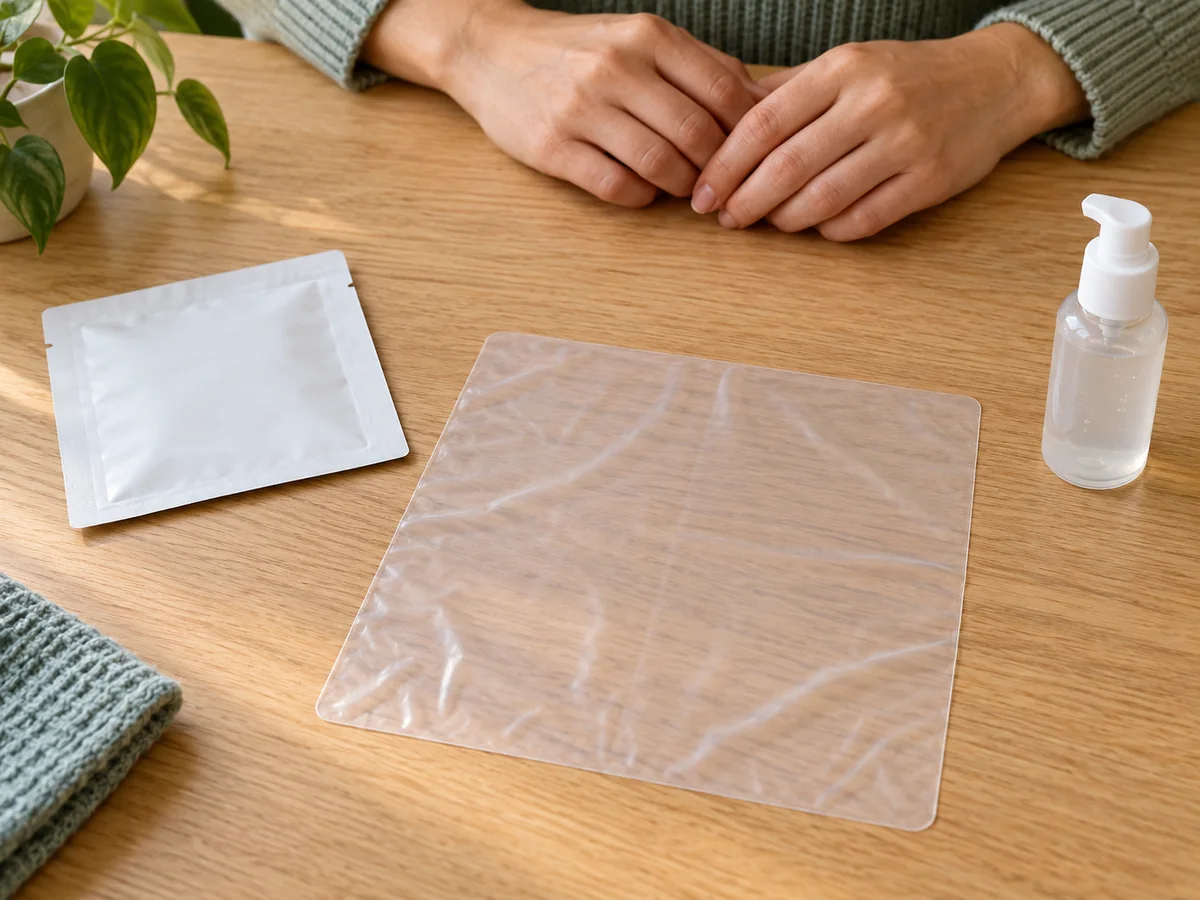
Scegli una presa delicata che mantenga il lenzuolo piatto
Una presa a due angoli funziona quando una persona può tenere comodamente una mano vicino a ciascun lato. Una presa sul bordo laterale può sembrare più stabile quando il foglio è più grande o la posizione cambia. L'obiettivo è la copertura, non tensione. Il CDC dice espressamente di non allungare una diga dentale perché lo stiramento può causarne la rottura.
Piccoli movimenti sono più facili da correggere di un grande spostamento. Se un bordo inizia ad arricciarsi, fai una pausa e leviga quel bordo tenendo traccia di quale lato è stato contro il corpo. Non capovolgere il foglio. I servizi di salute sessuale della comunità dell'Homerton University Hospital consigliano di utilizzare una diga solo su un lato e di sostituirla quando si passa dalla vagina all'ano; suo istruzioni sulla diga dentale dire anche di non riutilizzarne mai uno.
Decidi chi lo terrà e come passare di mano
Entrambi i partner possono tenere la diga. Scegli la disposizione che consente al titolare di mantenere il polso rilassato e di vedere i bordi della barriera. Prima di iniziare, concordare una semplice frase di pausa come "aspetta" o "resettiamo". Se la mano di chi lo tiene si stanca, fermati prima, trasferire un bordo alla volta, verificare che il foglio sia ancora piatto, e poi continuare solo se tutti lo vogliono.
Anche questo coordinamento è una pratica di consenso. La guida al consenso di RAINN descrive il consenso come chiaro, volontario, e in corso, con i check-in man mano che l'attività procede. Tenere la barriera non sostituisce la verifica del comfort, e ciascuna persona può chiedere di interrompere o modificare il piano in qualsiasi momento.

Cosa fare se la diga scivola, Pieghe, o Lacrime
Interrompere il contatto orale non appena l'area prevista non è più coperta. Se il lenzuolo si è solo piegato mentre il lato rivolto verso il corpo rimane libero, seguire le indicazioni sulla confezione e lisciarla prima di continuare. Se si strappa, sviluppa un difetto visibile, commuta le aree di contatto, oppure non puoi dire quale lato fosse contro il corpo, sostituirlo con una nuova diga. Questo ripristino conservativo segue le istruzioni ufficiali per mantenere la barriera in posizione fino al termine, utilizzare un lato in modo coerente, e non riutilizzarlo mai.
Se lo scivolamento avviene ripetutamente, non risolverlo tirando più forte. Ripristina il foglio, rivedere la compatibilità dei lubrificanti, e scegli una posizione in cui le braccia del supporto siano supportate. Se la barriera disponibile non riesce a coprire comodamente l'area prevista mentre si è distesi, fermarsi e seguire le istruzioni del produttore anziché improvvisare una dichiarazione di prestazione o una soluzione adeguata.
Errori comuni di detenzione da evitare
- Tendere bene il lenzuolo. Una diga dentale dovrebbe essere piatta, non essere tirato come un tamburo.
- Iniziare prima che la barriera sia centrata. Imposta prima il posizionamento e la posizione delle mani.
- Lasciarsi andare senza un passaggio di consegne. Fare una pausa prima che uno dei partner cambi presa.
- Ribaltare la diga. Mantieni coerenti i lati rivolti verso il corpo e verso la bocca.
- Usare il lubrificante sbagliato. Abbinare il lubrificante al materiale e alle indicazioni sulla confezione; i prodotti a base di olio possono danneggiare il lattice.
- Proseguire attraverso lo sconforto o l’incertezza. Fermare, fare il check-in, e sostituire la barriera quando la sua condizione o il suo orientamento non sono chiari.
Domande frequenti
Una persona deve tenere tutti e quattro gli angoli?
NO. Due angoli o due bordi laterali sono spesso sufficienti per fornire un supporto delicato, e entrambi i partner possono trattenerli. Ciò che conta è mantenere il lenzuolo piatto e mantenere la copertura senza allungamenti.
Dovrebbe essere tesa una diga dentale?
NO. La guida ufficiale dice di non allungare una diga. Tienilo delicatamente e lascia che il lenzuolo rimanga piatto anziché premerlo saldamente contro la pelle.
Una diga dentale è uguale a un preservativo per le dita?
NO. Una diga dentale è un lenzuolo piatto utilizzato tra la bocca e la vulva o l'ano, mentre un preservativo per le dita è una barriera a forma di dito. Quello di Callimis guida ai diversi formati di barriera fornisce un contesto di categoria più ampio, ma le indicazioni specifiche sulla confezione del prodotto in questione dovrebbero guidarne l'uso.
Cosa succede dopo l'uso?
Rimuovere la barriera senza capovolgerla o riutilizzarla, quindi seguire le indicazioni sulla confezione. Lo smaltimento dettagliato della diga dentale è un argomento a parte; questa guida si ferma ai passaggi di attesa e trasferimento.
La linea di fondo
La risposta pratica a come mantenere una diga dentale in posizione è sostenere delicatamente due angoli o bordi, mantenere il foglio piatto, e metti in pausa ogni volta che la copertura cambia. Preparazione, lubrificante compatibile con il materiale, una posizione comoda della mano, e una comunicazione chiara rendono più facile mantenere quella semplice presa senza allargare la barriera o fare promesse di protezione non supportate.