
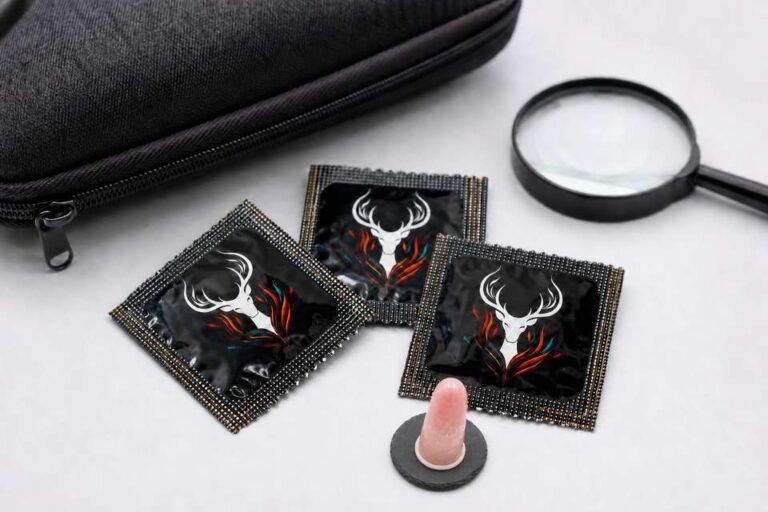
Si un préservatif doigt se brise ou glisse, arrêter immédiatement. Retirez-le soigneusement, se laver les mains avec de l'eau et du savon, vérifier si la peau et la barrière sont intactes, et utilisez un nouveau préservatif scellé pour les doigts si vous continuez. Ne pas laver et réutiliser le produit défectueux.
Une cassure ou un glissement ne signifie pas automatiquement qu'une infection a été transmise. La prochaine étape pratique dépend du contact qui a eu lieu, si l'une ou l'autre personne avait des coupures ou des plaies, si du sang ou d'autres fluides corporels étaient impliqués, et depuis quand c'est arrivé. Ce guide distingue le dépannage de routine du produit des situations qui méritent un avis médical rapide..
Que faire immédiatement lorsqu'un préservatif doigt se brise
Arrêtez l'activité dès que vous remarquez une larme, ponction, restauration, ou bordereau complet. Continuer peut augmenter le contact direct et rendre plus difficile la détermination du moment où la panne s'est produite..
- Retirez soigneusement la barrière défaillante. Évitez de toucher d'autres zones du corps avec le doigt exposé.
- Vérifiez qu'il s'est complètement détaché. Si le préservatif doigt a glissé dans le vagin ou le rectum et ne peut pas être retiré facilement, n'utilisez pas d'objets pointus; demander de l'aide médicale.
- Lavez-vous les mains. Utilisez du savon et de l'eau courante, y compris autour des ongles. Ne frottez pas agressivement la peau éraflée..
- Inspecter le doigt. Recherchez des coupures, cuticules déchirées, saignement, irritation, ou un bord d'ongle endommagé.
- Jeter le produit utilisé. Mettez-le ainsi que son emballage avec les ordures ménagères. Ne jetez pas la chasse d’eau ni l’un ni l’autre des éléments.
- Ouvrez un nouveau paquet si vous continuez. Vérifiez le sceau et la date, puis utilisez un nouveau préservatif pour les doigts sur, mains sèches.
Pour le format d'emballage actuel et les détails du produit, revoir le Page produit des préservatifs pour doigts Callimis. Suivez toujours les instructions fournies avec le produit que vous avez.
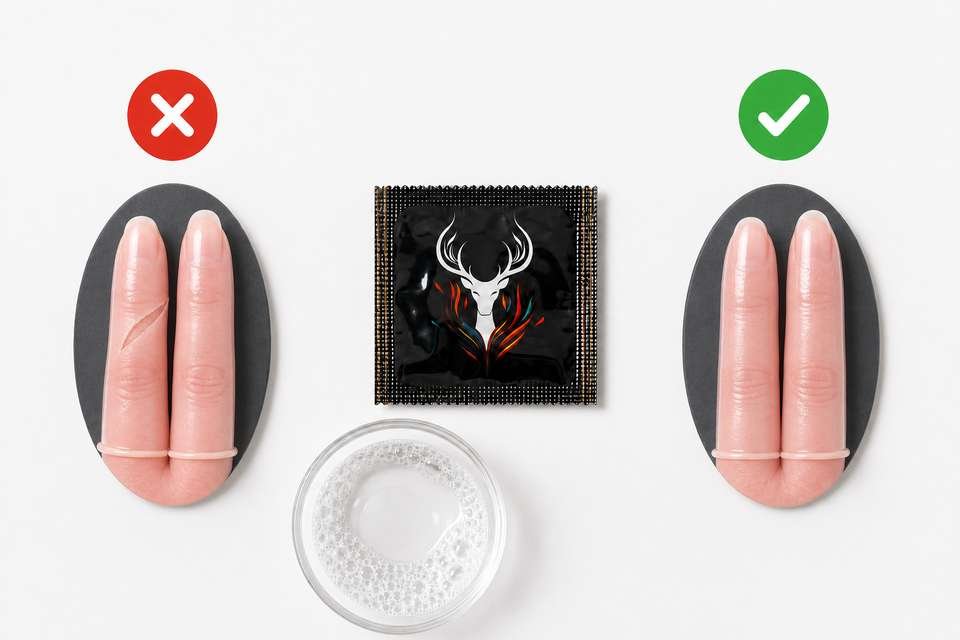
Comment évaluer l'exposition possible après une panne
Commencez par le contact réel plutôt que d’assumer le risque le plus élevé ou le plus faible. Le contact numérique-génital ou numérique-anal n'est pas identique au rapport sexuel vaginal ou anal, et différentes infections se propagent de différentes manières.
Posez ces questions:
- La barrière a-t-elle échoué avant ou après le début du contact?
- Est-ce que du liquide vaginal, liquide rectal, ou du sang touche le doigt exposé?
- Y a-t-il eu des coupures, plaies, cuticules déchirées, dermatite, ou saignement autour du doigt?
- Le doigt exposé a-t-il touché plus d'un site corporel ou un partenaire par la suite ??
- L'une ou l'autre personne connaît-elle une IST actuelle, symptômes, ou une exposition possible récente?
Le NHS note que la transmission des IST par le doigt est rare, mais les coupures ou les plaies aux doigts peuvent augmenter le risque. C'est activités sexuelles et conseils sur les risques conseille également de se laver les mains après avoir doigté. Certaines infections peuvent se propager par contact peau à peau en dehors de la zone couverte par une petite barrière, donc un préservatif intact ne peut pas éliminer tous les risques possibles.
Quand contacter un professionnel de la santé sexuelle
Contactez une clinique de santé sexuelle ou un professionnel de la santé qualifié lorsque vous craignez une éventuelle exposition, surtout si le sang est entré en contact avec une peau lésée, l'une ou l'autre personne présente des symptômes ou une IST connue, ou vous ne pouvez pas déterminer quel contact a eu lieu. Un clinicien peut évaluer l'acte spécifique, site du corps, timing, symptômes, et une fenêtre de test plutôt que de s'appuyer sur une estimation générique des risques en ligne.
Demandez conseil d'urgence si vous pensez qu'une éventuelle exposition au VIH impliquait du sang ou un autre liquide potentiellement infectieux entrant en contact avec une peau non intacte ou une membrane muqueuse.. Prophylaxie post-exposition au VIH, lorsque cela est cliniquement indiqué, doit être commencé le plus tôt possible et au plus tard 72 heures après l'exposition. N'attendez pas les symptômes avant de demander une évaluation.
Obtenez de l'aide médicale si un préservatif glissé reste à l'intérieur du corps et ne peut pas être retiré facilement., ou s'il y a une douleur importante, saignement, gonflement, ou une blessure présumée. Évitez les outils improvisés qui pourraient le pousser plus loin ou endommager les tissus.
Pourquoi les préservatifs à doigt peuvent se briser
La plupart des problèmes de casse peuvent être attribués à l'état du produit, ajuster, friction, ou contact avec une arête vive. Trouver la cause probable vous aide à décider quoi changer avant d'ouvrir un autre paquet.
La barrière a été endommagée avant utilisation
Un emballage déchiré, date illisible, exposition prolongée à la chaleur, ou des dommages causés par des clés et des bijoux peuvent rendre un paquet inapproprié. Inspectez l’emballage scellé avant de l’ouvrir. Ouvrez le long du bord prévu avec vos doigts plutôt qu'avec les dents, ciseaux, ou un ongle pointu.
La coupe était trop serrée
Un préservatif doigt qui est douloureusement serré ou qui doit être mis en place de force peut être trop étiré.. Arrêtez-vous et choisissez un ajustement plus approprié plutôt que d'essayer de faire fonctionner un produit inconfortable. Notre Guide des tailles de préservatifs doigt explique comment mesurer le doigt prévu et vérifier la pression, roulement, et le relâchement.
Un clou ou un bord de bijou a accroché le matériau
Coins des ongles rugueux, un ongle fendu, anneaux, et les bords tranchants du bracelet ou de la montre peuvent accrocher une fine barrière lors de l'application ou du mouvement.. Lisser les bords des ongles et retirer les bijoux pouvant entrer en contact avec le produit avant d'ouvrir le paquet..
Friction augmentée pendant l'utilisation
Quand le mouvement n’est plus fluide, arrêter au lieu d'ajouter de la pression. Vérifiez les instructions du produit avant d'ajouter du lubrifiant car la compatibilité des matériaux est importante. Le guide de utiliser du lubrifiant avec des préservatifs pour les doigts explique pourquoi le matériau de l'emballage et la base lubrifiante doivent être vérifiés ensemble.
Pourquoi un préservatif doigt glisse
Le glissement indique généralement un ajustement, application, ou une perte d'adhérence plutôt qu'un besoin de continuer à repousser le produit en place. Une fois qu'il a considérablement reculé ou s'est détaché, jetez-le et utilisez-en un nouveau.
- Trop lâche: la manche ne reste pas près du doigt pendant le mouvement.
- Pas entièrement déroulé: une bande roulée reste haute sur le doigt et peut reculer.
- Appliqué dans le mauvais sens: des retournements ou des manipulations répétées peuvent interférer avec une application propre.
- Lubrifiant sous la barrière: l'ajout de lubrifiant à l'intérieur peut réduire l'adhérence, sauf indication contraire du fabricant.
- Changer de doigt: déplacer une barrière utilisée entre les doigts peut l'étirer et transférer du matériau.
Si un produit frais glisse à plusieurs reprises malgré une application soigneuse, arrêtez d'utiliser cette taille ou ce format et vérifiez les conseils d'ajustement du fabricant. Ne le fixez pas avec du ruban adhésif, adhésif, élastiques, ou une autre attache improvisée.
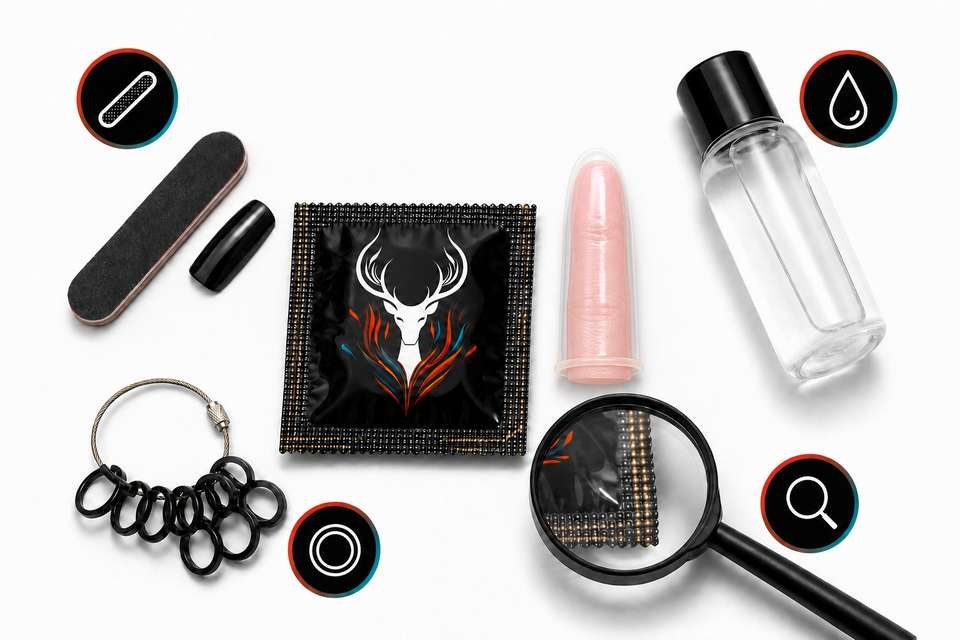
Comment réduire la casse et le glissement la prochaine fois
Utilisez cette courte vérification avant utilisation avant chaque paquet:
- Lavez et séchez vos mains, puis inspectez la peau autour de l'ongle.
- Lissez les bords tranchants des ongles et retirez les bijoux qui pourraient accrocher le matériau..
- Vérifiez le sceau de l'emballage, date imprimée, et conditions de stockage.
- Ouvrir le paquet sans dents ni outils.
- Vérifiez que le préservatif doigt est orienté dans la bonne direction avant de le dérouler..
- Choisissez un ajustement qui reste sécurisé sans pression douloureuse.
- Utilisez uniquement un lubrifiant compatible avec le matériau du produit indiqué.
- Arrêtez si vous sentez des larmes, roulement, pincer, ou traînée inhabituelle.
Ne testez pas un préservatif doigt douteux en l'étirant à plusieurs reprises.. L'inspection ne peut pas prouver qu'une barrière endommagée ou périmée est fiable; en cas de doute, jetez-le et ouvrez un nouveau paquet scellé.
FAQ sur l'échec du préservatif doigt
Puis-je continuer à utiliser un préservatif doigt après son retour?
Non. S'il a considérablement reculé, glissé, ou a été repositionné après contact, jetez-le. Lavez-vous les mains et utilisez un nouveau produit scellé si vous continuez.
Et si je ne suis pas sûr du moment où il s'est cassé?
Traitez la situation comme un contact direct possible. Lavez-vous les mains, inspecter les coupures, discutez de ce qui s'est passé avec votre partenaire, et contactez un professionnel de la santé sexuelle si des liquides corporels, peau cassée, symptômes, ou une infection connue suscite des inquiétudes.
Les préservatifs à deux doigts peuvent-ils être portés ensemble pour une protection supplémentaire?
N'improvisez pas en superposant des produits à moins que le fabricant ne le demande explicitement.. Des couches supplémentaires peuvent changer d'ajustement, sensation, et les frottements. Utilisez-en un correctement ajusté, produit intact comme indiqué.
Un préservatif qui a glissé signifie-t-il que j'ai choisi la mauvaise taille?
Peut-être, mais déroulement incomplet, lubrifiant à l'intérieur du manchon, ou changer de doigt peut également contribuer. Examinez l'application et l'ajustement avant de décider quel facteur a causé le problème.
Dois-je passer un test IST après chaque pause?
Tous les échecs ne créent pas la même exposition. Les conseils de test dépendent du contact, site du corps, timing, symptômes, coupes, fluides, et informations sur les partenaires. Une clinique de santé sexuelle peut recommander des tests et un calendrier appropriés à votre situation..
Clé à retenir
Lorsqu'un préservatif doigt se brise ou glisse, la bonne réponse est simple: arrêt, retirez-le, Lavez-vous les mains, jetez-le, et évaluer quel contact a eu lieu. Utilisez un nouveau scellé, ajuster correctement la barrière si vous continuez. Demandez rapidement conseil à un professionnel en cas de lésions cutanées, sang, symptômes, une IST connue, un produit retenu, ou une éventuelle exposition temporaire au VIH est impliquée.
Cet article fournit des informations pédagogiques générales et ne remplace pas les instructions du produit., diagnostic, conseils de test, ou des soins prodigués par un professionnel de la santé qualifié.