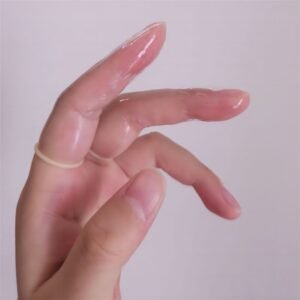
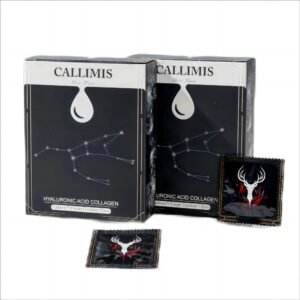
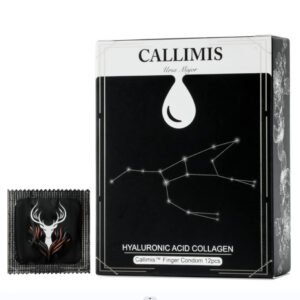
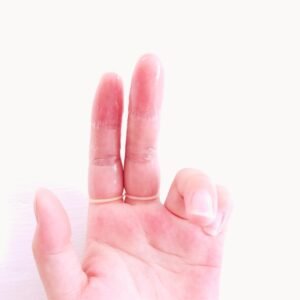
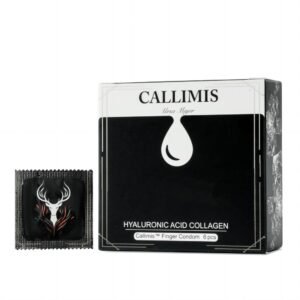
多くの人は手指の衛生をまったく気にしません. セックス中や手マン中も, 彼らは事前に手を洗わないし、指用コンドームや手袋も着用しない. 今日は指がどれほど汚れているかをみんなに説明しなければなりません.
指についた汚れは何ですか?
指に細菌が増殖する理由
手や指を清潔に保つにはどうすればよいですか?
細菌は指や手に付着している
指の細菌数が驚くべき話題に. 研究によると、約 100,000 細菌 皮膚表面1平方センチメートルあたり. これは、平均的な成人が最大で持ち運べる量を意味します。 800,000 細菌 彼の手のひらの上に. この数字は、私たちが日常の手指衛生の重要性を再検討するのに十分です。.
この膨大な数をより深く理解するには, 他の日常的な物体と比較することができます:
| アイテム | 平均 RLU 値 |
| 手全体 | 1005 |
| 便座 | 179 |
| 一本の指について | 100,000 |
これらのデータは、私たちの手が実際にははるかに優れていることを明確に示しています。 “汚い” 私たちが思っているよりも. 注目に値するのは、 爪が長い人 2 mm以上あります 10 手に付着した細菌の数は便座の 2 倍. この発見は、定期的な爪切りの重要性を浮き彫りにします, 長い爪は細菌にとって理想的な生息地となるため、. 考えてみてください, フィンガーセックスをしているとき, 細菌に満ちた爪や指を保護せずに傷つきやすい陰部に触れさせた場合. . .
これらの驚くべきデータは、手に付着した多数の細菌を明らかにするだけではありません。, 毎日の手指衛生の重要性も強調します. 手は私たちが外界と最も頻繁に接触する体の部分であることを考える, これらの細菌は病気を蔓延させる媒体になる可能性があります. したがって, 良い手指衛生習慣を身につける, 頻繁な手洗いなど, 消毒製品の正しい使用, 指セックス中の指サックの使用, 個人および公衆の健康を維持するために不可欠です.
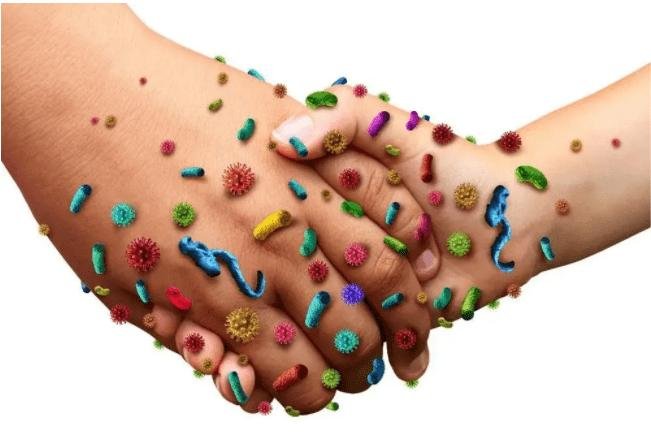
指や手に付着した細菌の種類
指にはたくさんの種類の細菌がいます, 非病原性と潜在的に病原性の両方. これらの微生物は、私たちの日常生活環境の多様性を反映した複雑な生態系を構成しています。. 以下は指によくある細菌の種類です。:
1. ブドウ球菌: これは手の細菌の中で重要な位置を占めるグラム陽性球菌です。. 大きく分けて2種類あります:
| タイプ | 名前 | 特徴 |
| 病原性細菌 | 黄色ブドウ球菌 | 皮膚感染症を引き起こす, 食中毒 |
| 非病原性細菌 | 表皮ブドウ球菌 | 正常な人間の細菌叢の構成要素 |
2. 連鎖球菌: もう一つの一般的なグラム陽性球菌, いくつかの種に分けることができます. その中で, **肺炎球菌**は懸念される病原菌です, 呼吸器感染症を引き起こす可能性がある.
3. 大腸菌: 主に腸内に存在しますが、, 手の表面に現れることもあります. このグラム陰性桿菌は、場合によっては腸感染症や尿路感染症を引き起こす可能性があります。.
4. 緑膿菌: これは湿った環境で一般的に見られるグラム陰性桿菌です。. 手の表面でも生存し、皮膚感染症を引き起こす可能性があります。, 特に手に切り傷がある場合.
5. サルモネラ: このグラム陰性桿菌は主に食物と水を介して感染します。, しかし、一時的に手の表面に存在することもあります. サルモネラ菌は重篤な腸感染症や敗血症を引き起こす可能性があります.
指に細菌が増殖する理由
日常的な連絡

指の細菌増殖の原因について議論するとき, 私たちは日常生活における細菌感染の最も一般的な経路に注意を払う必要があります – 面接触. この一見単純な相互作用は、実際には細菌感染の主要な経路の 1 つであり、より深い理解に値します。.
1. 面接触: 指が表面に触れたとき, 微生物交換が起こる. この交換の範囲はいくつかの要因によって決まります, 含む:
– 表面特性: 粗さ, 水分
– 微生物の種類: 細菌, ウイルス
– 接触強度: 軽いタッチ, 重圧
– 転送方向: 手から物へ、またはその逆へ
2. 微生物の伝達: 研究によると、表面接触による微生物の移動効率はさまざまな要因によって影響を受けることが示されています。. 例えば, 濡れた表面は微生物の移動を促進する可能性が高くなります 湿気は微生物にとってより良い生存環境を提供するためです。. また, 粗い表面にはより多くの微生物が保持されます 滑らかな表面よりも隠れる場所が増えるため、.
3. 繰り返しの接触: 同じ表面に頻繁に接触すると、微生物が指と物体の間を何度も往復することになります。, 微生物の蓄積が大幅に増加する. 特に公共の場で頻繁に触れる表面に最適, エレベーターのボタンなど, ドアハンドル, 等, 細菌感染のホットスポットになる可能性があります.
4. 摩擦: ある場合には, 摩擦により微生物の移動効率が高まる可能性がある. 例えば, 携帯電話やコンピュータのキーボードを使用するとき, 指を前後に滑らせると、無意識のうちに微生物の移動確率が高まる可能性があります.
注意することが重要です 異なる種類の微生物は異なる動作をする可能性があります 面接触で. 例えば, 特定のバクテリアは特定の表面により容易に付着する可能性があります, 一方、ウイルスは滑らかな表面ではより長く生存する可能性があります. この変動性により、表面接触による微生物の拡散の包括的な理解と予測が困難になります。.
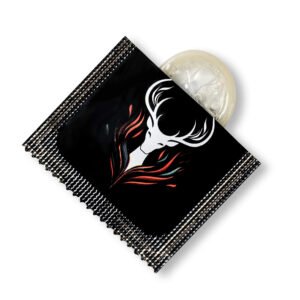
したがって, 対象を絞った衛生対策を開発してください。 指用コンドームを着用する! 日常生活における細菌の蔓延を効果的に軽減します。, それによってあなた自身と他の人の健康を守ります.
指の皮膚環境
指の皮膚のユニークな構造は細菌にとって理想的な生存環境を提供します. 爪と皮膚の間の爪床領域は、隠れた湿った微生物生態学を形成します。 微生物の繁殖に特に適しています. この環境は定期的な清掃だけでは達成が難しいだけではありません, 細菌にとっては自然の安息の地でもあります.
加えて, 指の手のひらの皮膚には汗腺が豊富にあります, 分泌された汗は細菌に必要な水分と栄養を提供します. これらの生理学的特性が合わさって、細菌の増殖を促す微小環境を形成します。, 指が細菌の繁殖に最適な場所である理由を説明する.
病気の伝染
指の細菌の蔓延は、多くの病気を引き起こす重要な手段です. 研究によると、 **80% の細菌やウイルスが私たちの手を介して伝染し、感染します。**. この憂慮すべきデータは、病気の予防における手指衛生の重要な役割を浮き彫りにしています.
手を洗わずに手マンやセックスをすることがどれほどひどいことか想像してみてください.
指に付着した細菌だけが膣炎の原因になると思いますか?? 実際には, 日常生活の多くの病気は指の汚れが原因である可能性があります:
- 気道感染症: 手が顔に触れた後, 口と鼻, 細菌やウイルスはすぐに気道に侵入する可能性があります, 風邪を引き起こす, インフルエンザやその他の病気. インフルエンザウイルス, 特に, 手の表面で数時間生存できる, 感染リスクが大幅に高まる.
- 消化器系の病気: 手の細菌が食べ物や飲料水を汚染した後, 消化管感染症を引き起こす可能性があります. 一般的な病原体にはサルモネラ菌や大腸菌などがあります。, 腹痛を引き起こす可能性がある, 下痢, 吐き気やその他の症状.
- 皮膚感染症: 黄色ブドウ球菌などの細菌は手の傷から人体に侵入し、皮膚感染症を引き起こす可能性があります。. 例えば, 爪囲炎 細菌感染によって引き起こされる爪周囲の一般的な炎症です, それは赤みとして現れます, 腫れ, 痛みやその他の症状.
- 眼感染症: 手の細菌が目に触れた後, 結膜炎や角膜炎などの目の病気を引き起こす可能性があります. これらの病気は目のかすみなどの症状を引き起こす可能性があります, 赤く腫れた目, そして分泌物の増加.
交差感染
指の細菌の危険性について議論するとき, 交差感染という重要な概念を無視することはできません. 交差感染とは、病原体がある宿主から別の非自然宿主に伝染するプロセスを指します。, 特に病院などの閉鎖環境で蔓延します。. 研究によると、 多剤耐性アシネトバクター・バウマニ 小さな穴を通してプラスチック製の医療機器に取り付けることができます “指” バイオフィルムを形成する構造, 効率的な伝送を実現します. このメカニズムは、院内感染を根絶することが難しい理由を説明するだけではありません, だけでなく、対象を絞った予防および管理戦略を策定するための科学的根拠も提供します。.
手や指を清潔に保つにはどうすればよいですか?
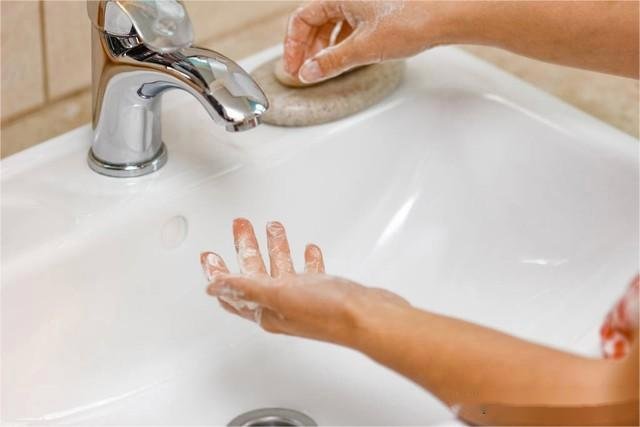
適切な手洗い
手の細菌を効果的に減らす方法を議論するとき, 適切な手洗いは間違いなく最も基本的で重要な方法です. シンプルかつ効果的な衛生習慣として, 病気の伝染のリスクを大幅に減らすことができます. 研究によると、 手指消毒剤と流水で手を洗うと、最大で以下の汚れを除去できます。 99% 細菌の.
消毒製品
手を清潔に保つという意味では, 従来の石鹸と水に加えて, 現代の技術は私たちにさまざまな便利な消毒製品を提供します. これらの製品は手の細菌を効果的に殺すだけではありません, さまざまな使用シナリオや個人のニーズにも適応します:
| 製品タイプ | 主な成分 | 使用法 | 適応症 |
| 速乾性手指消毒剤 | アルコール (エタノール, イソプロパノール) | およそを取る 2.0 mLにしてこする 1 分 | オフィス, 学校, 家 |
| ハンドフリー消毒剤 | アルコール + スキンケア成分 | 洗わずにそのまま使用 | 旅行, アウトドアアクティビティ |
| 泡状消毒剤 | アルコール + 発泡剤 | 泡を押し出して均一に塗ります | 病院, クリニック, 研究室 |
良い習慣を身につける
手指衛生のための良い習慣を学びましょう:
- 定期的に爪を切る: 短い爪は細菌を隠すのが難しい
- ペーパータオルを使ってドアを開ける: 公共施設との直接接触を減らす
- 消毒用ウェットティッシュを持ち歩きましょう: 外出時はいつでも手を清潔にしましょう
- 肘を使ってエレベーターのボタンを押します: 接触の多い表面との接触を減らす
- 食事の前後に手を洗う: 重要な瞬間に手指衛生を強化する
- 適切な指用コンドームまたは手袋を着用してください: 細菌の分離は当然より完璧です.