
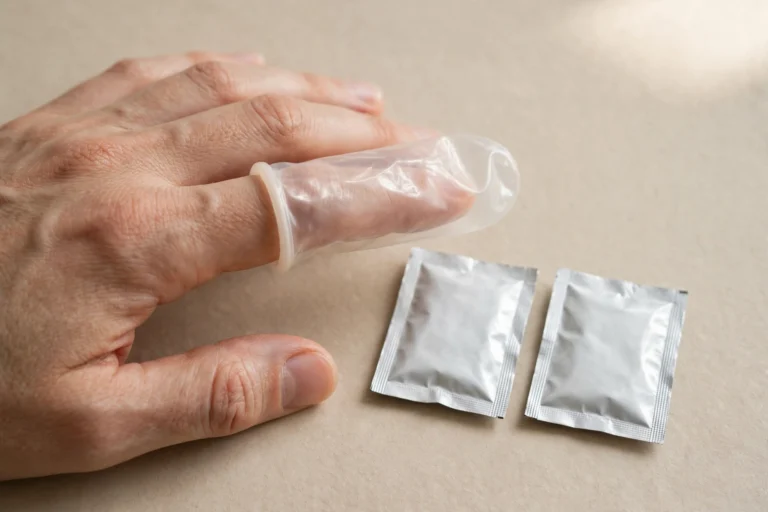
One activity — that is the honest answer to how long can you wear a finger condom. There is no official minute limit and no timer on the packet. No clock says the latex has expired on your hand. A finger condom is a single-use barrier for one stretch of manual contact. It comes off when that contact ends, when you switch to something else, or the moment it slips, dries out, or feels loose.
Think in activities, not minutes. Fifteen minutes of one continuous activity is one use. Three short activities back to back, with breaks in between, are three uses — even if the total time is shorter. This guide covers when to keep the same finger condom on, when to change it, and the signs that a fresh one is due.
How Long Can You Wear a Finger Condom? Why There Is No Minute Limit
No health agency publishes a wear-time for finger condoms, because wear-time is not how barriers are measured. The CDC condom guidance puts it in activity terms: always use a new condom for the entirety of every act. If a condom breaks at any point, stop, remove it, and put on a new one. Finger condoms follow the same single-use logic — one barrier, one act of contact, then it is done.
Latex does not fail on a schedule. It fails from friction, stretching, drying, and damage. A finger condom worn gently for a longer session can be in better shape than one worn briefly but pulled or twisted. That is why the useful question is not “how many minutes.” Ask instead: “has anything changed since I put it on?”
- Same activity, same partner, same finger, still snug and intact: keep going.
- New activity, new partner, or a move to a different body area: change it.
- A break, a pause with the hand doing other things, or any doubt about the surface: change it.
The guide on do finger condoms prevent STIs explains what the barrier can and cannot do. Wear-time sits inside that same limit — a finger condom only covers what it covers, only while it stays intact and in place.
When to Change a Finger Condom: The Activity Rule
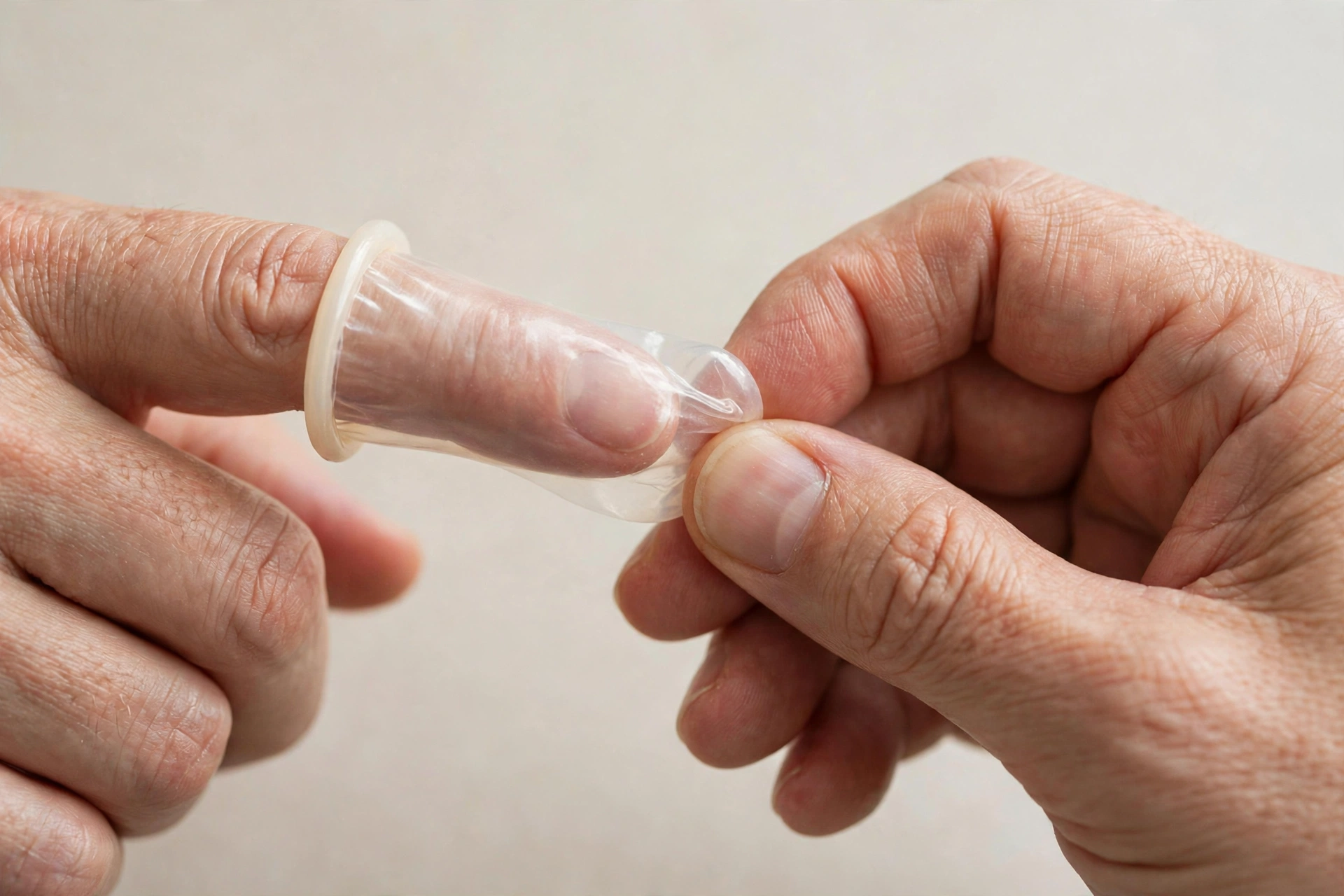
Change the finger condom whenever the activity changes. That single rule covers almost every case.
| Situation | Change it? | Why |
|---|---|---|
| Continuing the same activity with the same partner | No, if it is intact and snug | One continuous act is one use |
| Switching from one body area to another | Yes | The used surface carries fluids and bacteria from the first area |
| Switching partners | Yes | A used barrier never moves to a new person |
| Taking a break, then starting again | Yes | The pause ends the act; the surface has touched other things |
| It slipped, bunched, or rolled down | Yes | A loose barrier no longer covers reliably |
| It tore, nicked, or caught on a nail | Yes, straight away | Damage ends the barrier’s usefulness |
| You touched something else mid-activity (phone, bedding, a toy) | Yes | Whatever the surface picked up now goes where your finger goes |
Moving Between Body Areas
This is the change people most often skip. Going from vaginal to anal contact — or the reverse — with the same finger condom carries bacteria across. The rectum and vagina have very different bacterial loads. The guide on double dip fingering covers when to change between areas. One rule covers it: a new area gets a new finger condom, every time.
Switching Partners
A fresh partner always means a fresh finger condom, even mid-session and even if the first one looks clean. The guide on changing finger condoms between partners explains why the surface is never clean enough to carry over. Switching fingers follows the same logic. The guide on using one finger condom or more than one covers how many to wear, and each covered finger keeps its own barrier for the whole act.
Signs a Finger Condom Has Been On Long Enough
Time shows up as wear, not as a number. Watch for these signs during use — any one of them means change it now, whatever the clock says.
- It feels loose or starts to slide. Latex relaxes with warmth and movement. A finger condom that needs pushing back into place is no longer a reliable cover.
- The surface feels dry or tacky. Pre-lubricated finger condoms carry a water-based, silicone-free lubricant, and it wears off with friction. Dry latex drags, and drag is what tears it.
- It bunches or wrinkles. Folds trap fluid against the skin and stress the latex at the crease.
- Your finger feels numb, tight, or uncomfortable. Discomfort changes how you move, and awkward movement is how barriers get damaged.
- You can see a nick, thin spot, or tear. Damage you can see is damage that matters. The guide on what to do if a finger condom breaks or slips off walks through the next steps.
Fit decides how long a finger condom stays comfortable. The guide on finger condom fit covers what snug-but-not-tight feels like before you start. A good fit at minute one is what keeps the same barrier usable for the whole activity.
How to Make One Finger Condom Last the Whole Activity
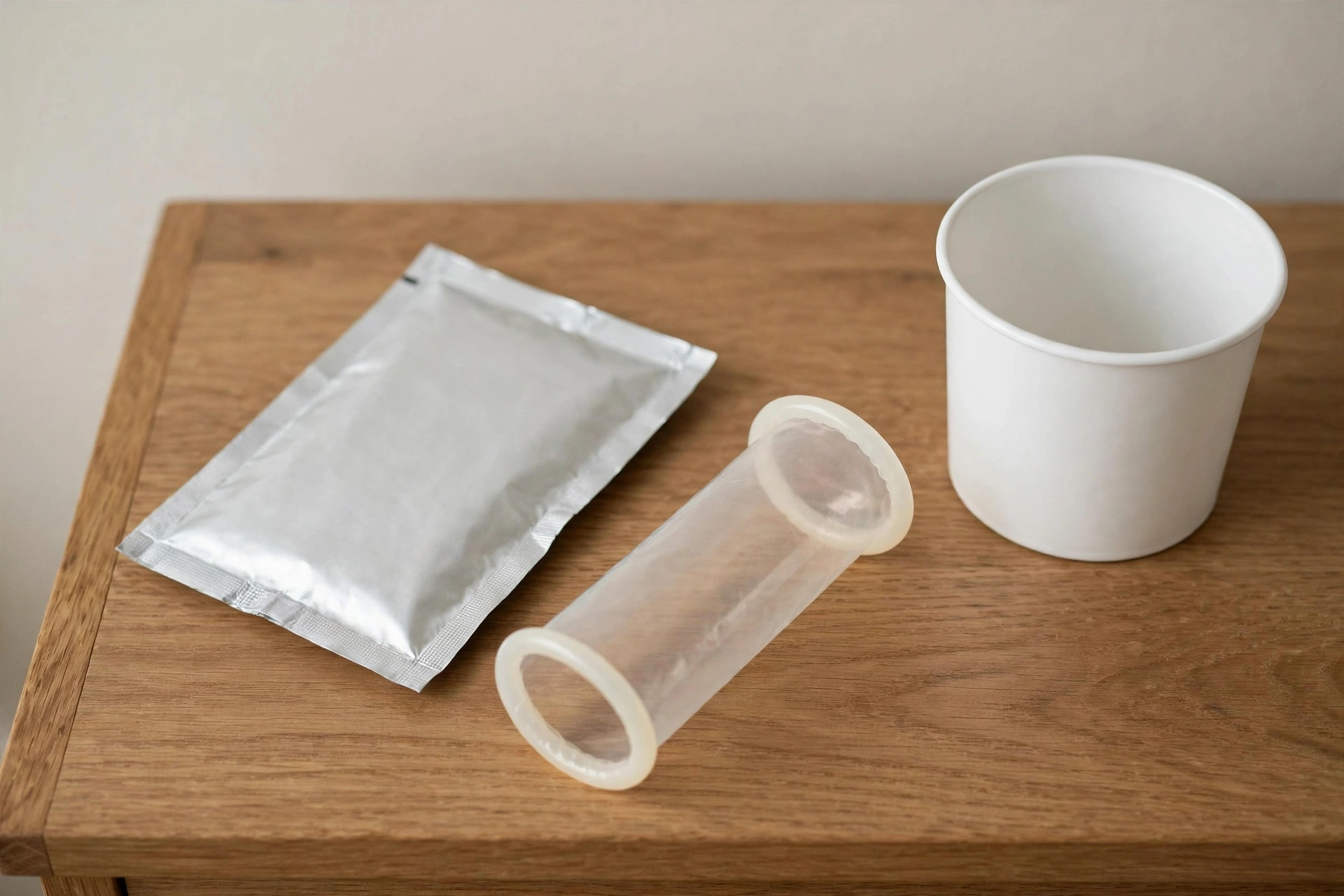
You cannot stretch a finger condom across activities, but you can help it last the one activity it is meant for.
- Start with clean, dry hands. Grit and moisture under the latex both shorten its life — the guide on handwashing before finger play gives a quick routine.
- Check the date and the wrapper before you open it. Aged latex tears sooner, and the guide on do finger condoms expire shows how to read both.
- Roll it on smoothly, with no trapped air and no twisting. A twisted base works loose faster than a flat one.
- Keep nails short and smooth, and take rings off. One sharp edge can end a barrier in a second.
- Add lubricant the right way if things dry out. Water-based lubricant is latex-safe; oil-based products weaken latex. The guide on using lube with finger condoms covers compatibility, and the CDC guidance above says the same for condoms generally.
- Leave it alone once it is on. Repeated pulling and readjusting stretches the latex at the base, which is where it lets go first.
A spare within reach matters more than any technique. Most skipped changes happen because the next packet is in another room. The CDC STI prevention guidance pairs barrier use with regular testing and talking with partners. Those habits sit alongside the barrier, not instead of it.

Common Questions About How Long to Wear a Finger Condom
Can I wear the same finger condom for an hour?
If it is one continuous activity, the barrier stays snug and intact, and nothing about the activity changes, an hour on the clock does not by itself ruin it. Comfort and condition decide, not the timer. The moment it loosens, dries, or the activity shifts, change it — however long it has been on.
Can I take a finger condom off and put the same one back on?
No. Once it comes off, it is used. Rolling a removed finger condom back on traps whatever the surface picked up, and the latex rarely sits the same way twice. Bin it and open a fresh one.
Can I wash a finger condom and reuse it?
No. Finger condoms are single-use. Washing does not restore the latex, the lubricant, or a clean surface, and it can weaken the material. The guide on disposing of finger condoms covers how to bin a used one discreetly.
What if I only wore it for a minute — can I keep it for later?
No. A minute of contact is still a use. A finger condom that has been on a finger and touched skin is done, even briefly. Unopened packets keep; opened ones do not.
Does wearing two finger condoms make one last longer?
No. Layering adds friction between the two surfaces, and friction is what wears latex out. One well-fitted finger condom, changed at the right moments, beats two worn at once.
Products Mentioned in This Guide
The products below are the ones this guide refers to — check the product page for the current price before ordering.
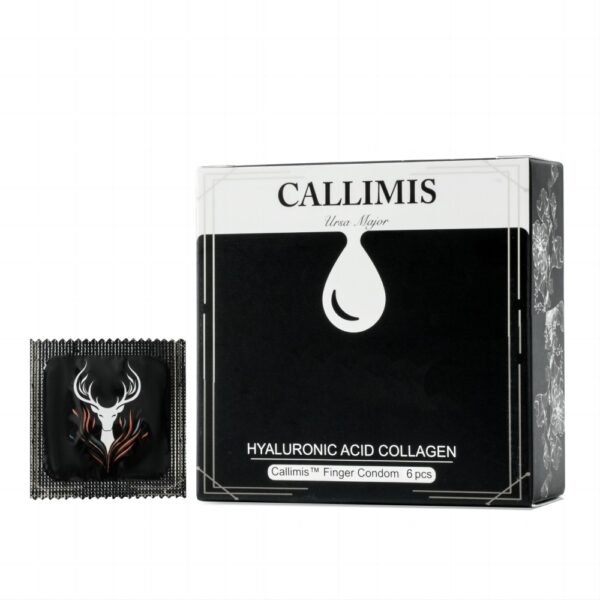
Finger Condoms with Lubrication, 6 count
Natural latex, finger-shaped, single-use, pre-lubricated with water-based silicone-free lubricant. A small count for trying the fit and the habit. $7.99 as listed on the site.

Finger Condoms with Lubrication, 12 count
The same barrier in a larger count, so a fresh one is always within reach when an activity changes. $14.99 as listed on the site.

Finger Condoms with Lubrication, 24 count (pack of 2)
The largest count, for people who change barriers often and would rather not run out mid-session. $19.99 as listed on the site.
How long can you wear a finger condom? For one activity — no more, and no clock-watching required. Keep it on while the activity stays the same and the latex stays snug, smooth, and intact. Change it the moment the activity, the partner, or the body area changes. Change it whenever it slips, dries, bunches, or tears.
The habit is short enough to remember: one activity, one finger condom, a fresh packet within reach. That is the whole rule, and it works at minute two and minute forty alike.
This article is general information, not medical advice. It relies on general barrier guidance from public health sources and on the product facts in the site’s editorial record. It does not claim that any product prevents infections. If you are worried about exposure, speak to a clinician or a local sexual health service.