
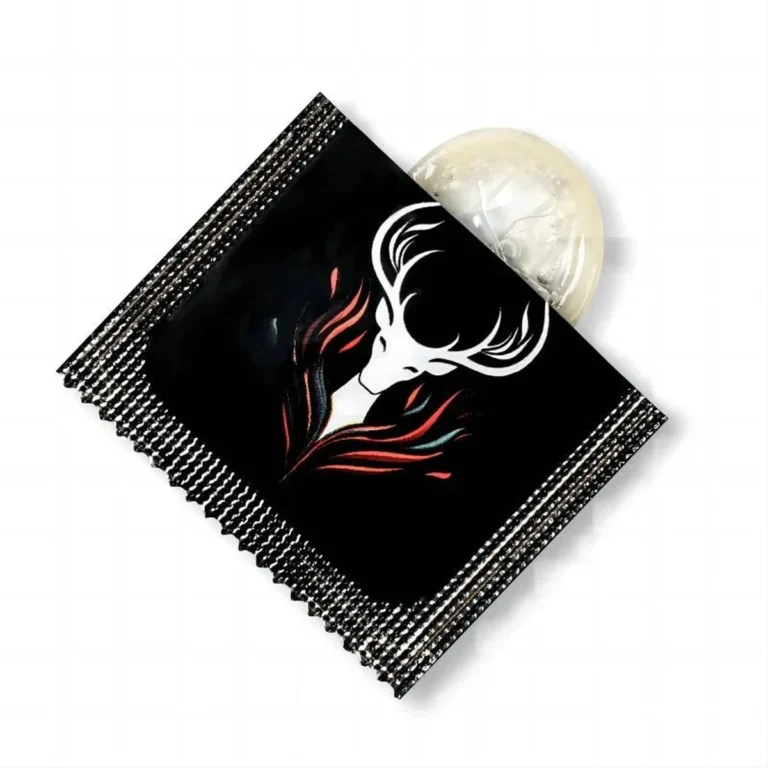
Which finger for a finger condom? Put it on the finger you actually plan to use for intimate touch. That may be your index finger, middle finger, or another finger; no verified source reviewed for this guide names one finger as universally best, so let the planned activity, fit, comfort, control, and current packet directions decide.
Choose before you open the single-use unit. That keeps the decision simple and avoids moving an opened product between fingers. Finger choice is only one part of preparation: the product should not pinch, hurt, slip, or feel uncertain, and every person involved should remain comfortable with the specific touch.
How to Decide Which Finger for a Finger Condom
Start with five practical questions. None of them creates a universal rule, but together they help you choose deliberately instead of defaulting to the longest or strongest-looking finger.
- Which finger will actually make contact? Cover the intended active finger, not a different finger simply because it is easier to dress.
- Will one finger or more than one be used? Decide the number of active fingers before opening any units.
- Does the chosen finger feel controlled? You should be able to move it gently without strain or an awkward hand position.
- Does the product stay comfortable during a small movement check? Stop for pinching, pain, numbness, repeated rolling, slipping, or uncertainty.
- Does the plan still have clear consent? A product choice never substitutes for a check-in about the touch itself.
Start With the Intended Finger, Not a Default
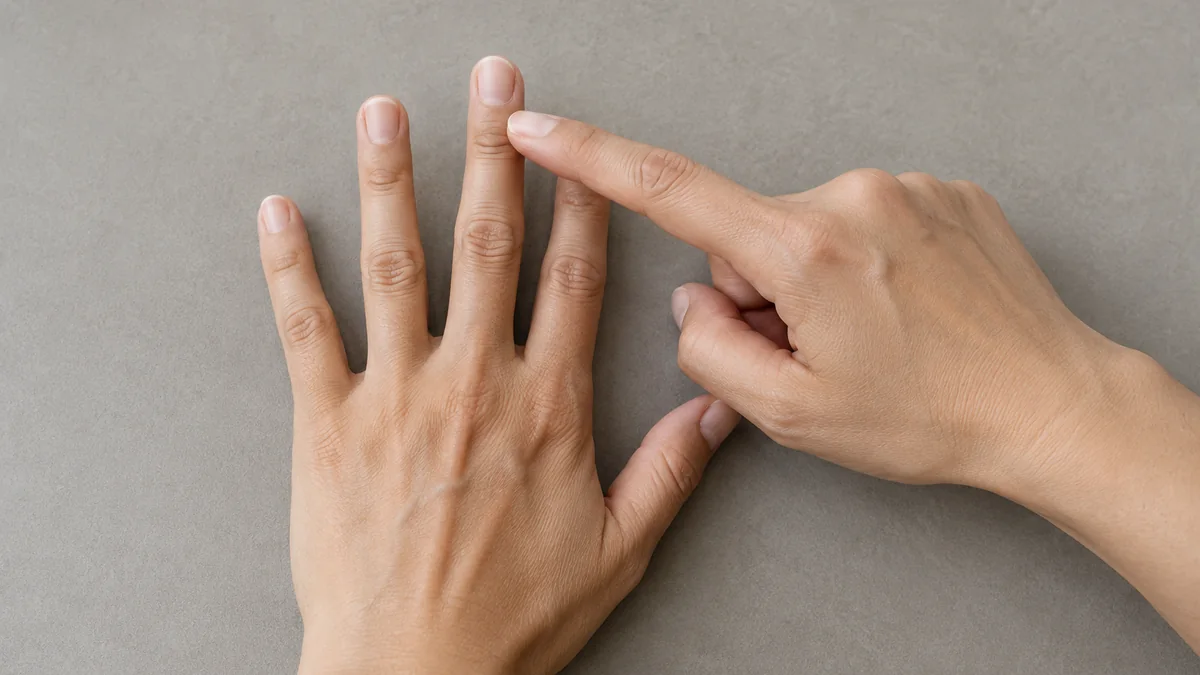
A generic finger cot is designed for one finger. The New York State Department of Health description calls a finger cot, or finger condom, a latex sheath designed to fit over a fingertip. The NHS Open Doors finger-cot guidance likewise describes a latex cover that rolls down over one finger and is used once. Those pages explain the general format; they do not establish Callimis dimensions, fit, protection, or regulatory status.
The practical inference is narrow: identify the finger that will be active, then put the finger-shaped product on that finger according to the current packet. If you usually use an index finger but the planned touch calls for a middle finger, the middle finger is the relevant choice. If a different finger gives you better control and is comfortable for everyone, there is no evidence-based reason in the reviewed sources to override that plan with a universal index-or-middle-finger rule.
For the broader wearing sequence, use the site’s general finger condom use guide while allowing the directions on your current packet to control. This article relies only on the product facts approved for the editorial record, not on broader claims found in older site copy.
If More Than One Finger Will Make Contact
Plan the number of units at the same time as the finger choice. A Callimis finger condom uses a finger-shaped form and is verified as single-use. If two fingers will be active, prepare two separate units, following the site’s one-unit-per-active-finger guidance. Do not stack products on one finger, stretch one unit across multiple fingers, or remove and reapply an opened unit to a different finger.
Planned Parenthood’s outercourse guidance lists gloves and finger cots among barriers that can help avoid contact with sexual fluids. That supports planning a barrier for each point of intended contact, but it does not mean finger condoms eliminate STI, infection, or pregnancy risk. If your plan changes, pause and reconsider the number of fingers and units before continuing.

Check Fit, Movement, and Comfort Before Contact
After choosing the finger, do a short pre-contact check. The goal is observation, not proving that the product will perform a certain way or forcing it to fit. The site’s detailed pre-use finger condom fit check covers this step without claiming a size chart or universal fit.
- Follow the current packet directions and apply the product without force.
- Look for obvious twisting, catching, damage, or repeated rolling at the base.
- Bend and straighten the chosen finger gently.
- Notice pinching, pain, numbness, tingling, slipping, or a strong urge to remove it.
- Ask whether the planned touch still feels comfortable to everyone involved.
If anything feels wrong or uncertain, remove the product and stop the check. Choosing a different finger may be reasonable if it matches the intended activity and current directions, but it is not a solution for persistent pain, a latex concern, visible damage, or unwillingness to continue.
Prepare Hands, Nails, and the Packet
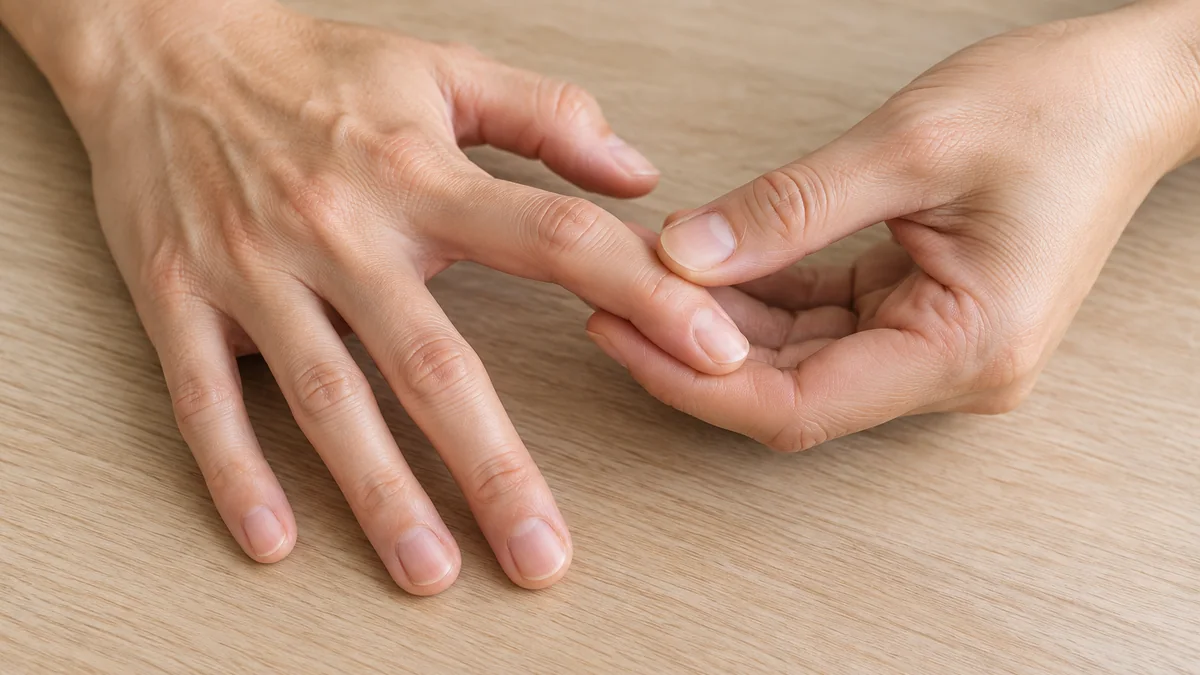
Finger choice does not replace ordinary preparation. Wash and dry your hands, check for a rough nail edge or uncomfortable skin, remove jewelry that could catch, and read the current packet before opening it. Callimis has separate guides for a handwashing routine before finger play and for opening a finger condom wrapper carefully.
Planned Parenthood’s finger-play guidance recommends washing hands, paying attention to open cuts or wounds, communicating, using lubricant when helpful, and stopping if the activity hurts. It is general sexual-health guidance, not proof that a particular finger or product guarantees comfort or safety.
Callimis Pre-Lubricated Finger Condoms are made from natural latex and use a water-based, silicone-free lubricant. Natural latex is not suitable for everyone. FDA’s natural-rubber latex caution explains that some people are allergic to latex; that page concerns medical gloves, not Callimis products, but the allergy warning is relevant to the material. Do not assume suitability for anyone with a known or suspected latex allergy.
What Finger Choice Cannot Prove
Selecting the intended finger can make preparation clearer, but it does not prove that the product fits every hand, prevent every scratch, eliminate fluid contact, or guarantee any health outcome. It also cannot replace consent, a comfortable pace, or individualized medical advice when pain, bleeding, a possible allergic reaction, or another health concern occurs.
Use a fresh unit for each active finger and each new use. After use, place it in regular household waste and do not flush. These disposal and single-use points are verified Callimis product facts; they are not evidence of sterility, medical-grade status, FDA approval, or complete protection.
Frequently Asked Questions
Is the index finger always the best choice?
No. The reviewed sources do not name the index finger as universally best. Use the finger planned for the activity, then check control, fit, movement, and comfort before contact.
Can I use a finger condom on my middle finger?
Yes, if the middle finger is the intended active finger, the current packet directions allow normal application, and the product feels acceptable during a gentle pre-use check. Stop if it pinches, hurts, slips, rolls repeatedly, or feels uncertain.
Should I move one finger condom from one finger to another?
No. Callimis finger condoms are verified as single-use. Choose the intended finger before opening, and use a fresh separate unit if the plan changes to another active finger.
Does the longest finger need the finger condom?
Not automatically. Finger length alone does not identify the active finger or guarantee control and comfort. The planned activity and a calm pre-use check matter more than choosing by length.
The Practical Answer
The answer to which finger for a finger condom is the finger you intend to use, provided the product can be applied as directed and feels comfortable and controlled during a brief movement check. Decide the number of active fingers first, use a separate single-use unit for each one, keep consent and comfort active, and stop rather than forcing a fit or making a health assumption.