

Comprar protectores dentales Se trata principalmente de comprobar el paquete., no confiar en un eslogan: confirmar la actividad prevista, material, fecha de expiración, envoltura intacta, guía de almacenamiento, compatibilidad de lubricantes, e instrucciones para el producto exacto que está considerando. Si faltan esos conceptos básicos, ilegible, o inconsistente, comparar otra opción en lugar de adivinar.
Comprar presas dentales: Comience con el paquete
Una lista útil debería permitirle identificar cuál es el producto., qué actividad cubren sus instrucciones, y qué información aparecerá en el paquete que recibas. El Instrucciones de los CDC sobre protectores dentales decir leer el paquete, comprobar la fecha de vencimiento, asegúrese de que no haya rasgaduras ni defectos, utilizar una nueva presa cada vez, y almacenar las represas en un lugar fresco, lugar seco. Esos controles son más significativos que palabras generales como "premium," "fuerte,” o “seguro”.
| Que comprobar | Cómo se ve la información útil | Razón para hacer una pausa |
|---|---|---|
| Actividad prevista | Las instrucciones describen el uso como una barrera plana para el contacto oral. | El listado nunca explica el uso previsto. |
| Material | El paquete nombra claramente el material de barrera. | Falta material o hay conflicto entre el listado y el paquete. |
| Fecha y área del lote | Una fecha de vencimiento legible y una marca de paquete rastreable están presentes. | falta la fecha, oscurecido, o ya pasó |
| Condición del envoltorio | El paquete individual está sellado y sin daños. | Lágrimas, pinchazos, bordes abiertos, o manchas son visibles |
| Guía de lubricante | Las instrucciones indican qué es compatible con ese material. | El listado hace un reclamo de compatibilidad sin instrucciones del paquete. |
| Almacenamiento y eliminación | El paquete explica el almacenamiento y el manejo posterior al uso. | Las instrucciones no están disponibles antes de la compra y no están disponibles en el momento de la entrega. |
Antes de comparar características especiales, asegúrese de que estos detalles ordinarios estén disponibles. Un comprador no debería tener que deducir un material de la fotografía de un producto., Supongamos que todos los lubricantes funcionan con cada hoja., o tratar el titular de un vendedor como un sustituto de las instrucciones.
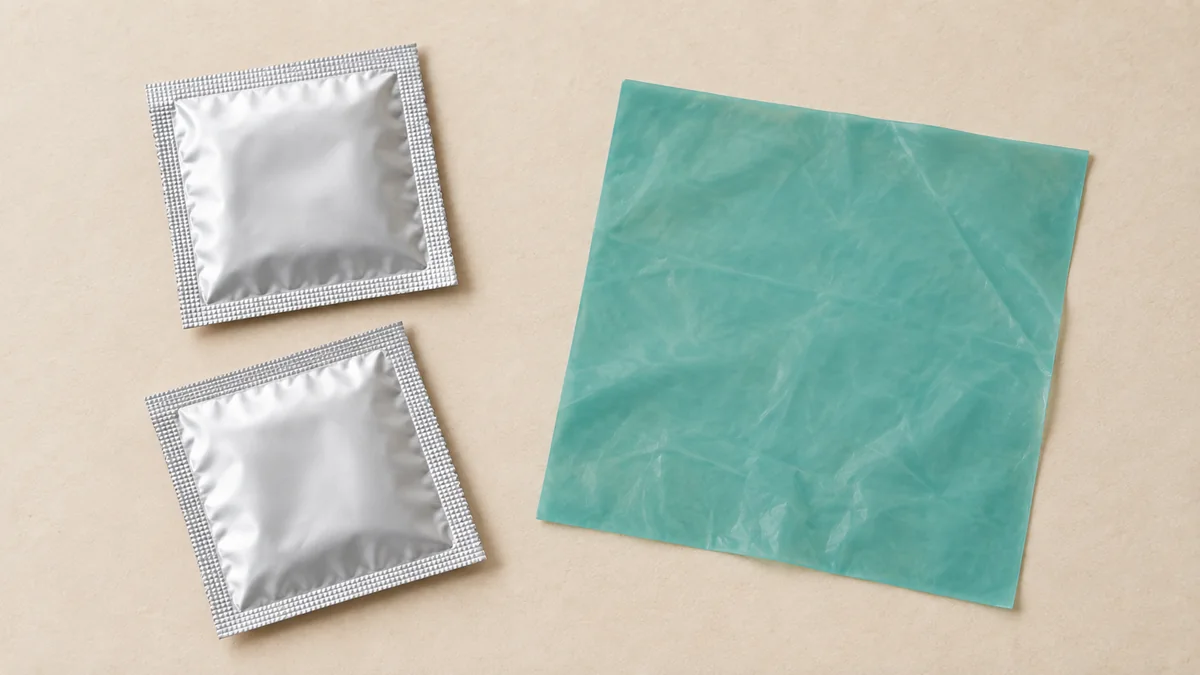
Confirme la actividad y la cobertura primero
Los CDC describen los protectores dentales como láminas de látex o poliuretano que se usan entre la boca y la vagina o el ano durante el sexo oral.. Esa definición te da la primera prueba de compras.: El producto debe ser una hoja plana destinada al contacto que estás planeando.. un condón, cuna para dedos, guante, y el protector dental tienen diferentes formas y no deben considerarse intercambiables simplemente porque son barreras.
Si eres nuevo en la categoría, Callimis introducción más amplia del protector dental puede ayudarle a reconocer el formato general. Úselo para orientarse, no como autoridad para una afirmación de producto específica. El paquete actual y las orientaciones sanitarias autorizadas deberían controlar la decisión..
Las dimensiones pueden ayudarle a comparar la cobertura indicada, pero no existe un “mejor” tamaño universal establecido por la evidencia del proyecto.. Busque las dimensiones reales en el paquete o en la página del vendedor., considerar si tienen sentido para el área prevista, y luego seguir las instrucciones del producto. No asuma que “grandes," "ancho,” o “cobertura total” significa lo mismo de un vendedor a otro.
Lean juntos las instrucciones del material y del lubricante
El material no es una especificación decorativa.. Afecta qué instrucciones del producto se aplican y qué lubricantes dice el fabricante que son compatibles.. La guía general de los CDC identifica presas listas para usar hechas de látex o poliuretano, recomienda lubricante a base de agua o silicona, y advierte que los productos a base de petróleo pueden provocar la rotura de los diques de látex. El paquete en mano sigue siendo importante: use sus instrucciones de material y compatibilidad en lugar de extender una regla de un producto diferente.
Cuando un listado nombra un material pero el envoltorio entregado no lo hace, o las dos fuentes no están de acuerdo, detener y aclarar antes de usar. Un lector con una conocida sensibilidad hacia los materiales no debe confiar en una afirmación vaga sobre "agradable para la piel".; El material debe estar claramente identificado., y las preguntas de salud individualizadas pertenecen a un médico calificado.
El sitio descripción general de las opciones de barrera bucal proporciona contexto del tema relacionado, pero no reemplaza las instrucciones de un artículo comprado. Este artículo no indica un material de dique dental Callimis., lubricante, espesor, sabor, o certificación porque ninguno de esos detalles está verificado en el registro de hechos del producto aprobado de Callimis..
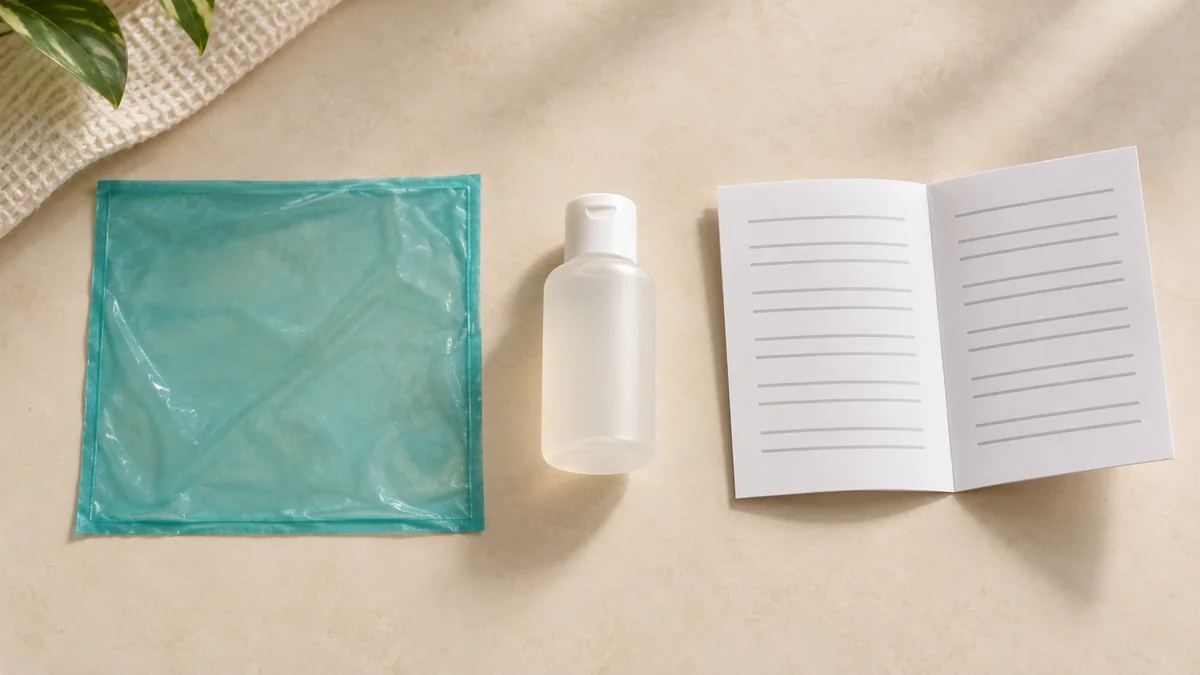
Revisa el envoltorio, Fecha, Almacenamiento, y condición
Un producto puede tener una copia de marketing clara y aun así llegar en condiciones que requieran reemplazo.. Inspeccionar el paquete individual, no solo la caja de envío exterior. La fecha impresa debe ser legible., los bordes deben permanecer sellados, y el envoltorio no debe tener pinchazos, lágrima, apertura, o residuo inexplicable.
- Antes de la compra: busque una foto clara o una descripción de los campos de la etiqueta, recuento de paquetes, e instrucciones sin tratar la lista como prueba final.
- A la entrega: compare el paquete recibido con el listado y lea las instrucciones reales.
- Antes de usar: verifique la fecha y el estado del paquete nuevamente, porque los daños por almacenamiento o transporte pueden no ser evidentes al momento del pago.
- Durante el almacenamiento: sigue el paquete. El consejo general de los CDC es mantener los protectores dentales en un lugar fresco., lugar seco.
El Instrucciones de presa de NHS Open Doors También recomendamos comprobar la fecha y abrir el envoltorio con cuidado para que las uñas o las joyas afiladas no dañen la hoja.. Su asesoramiento sobre etiquetas regulatorias está escrito para su propia jurisdicción., por lo que los compradores en otros lugares deben seguir los requisitos y las marcas del paquete que se aplican en el lugar donde viven..
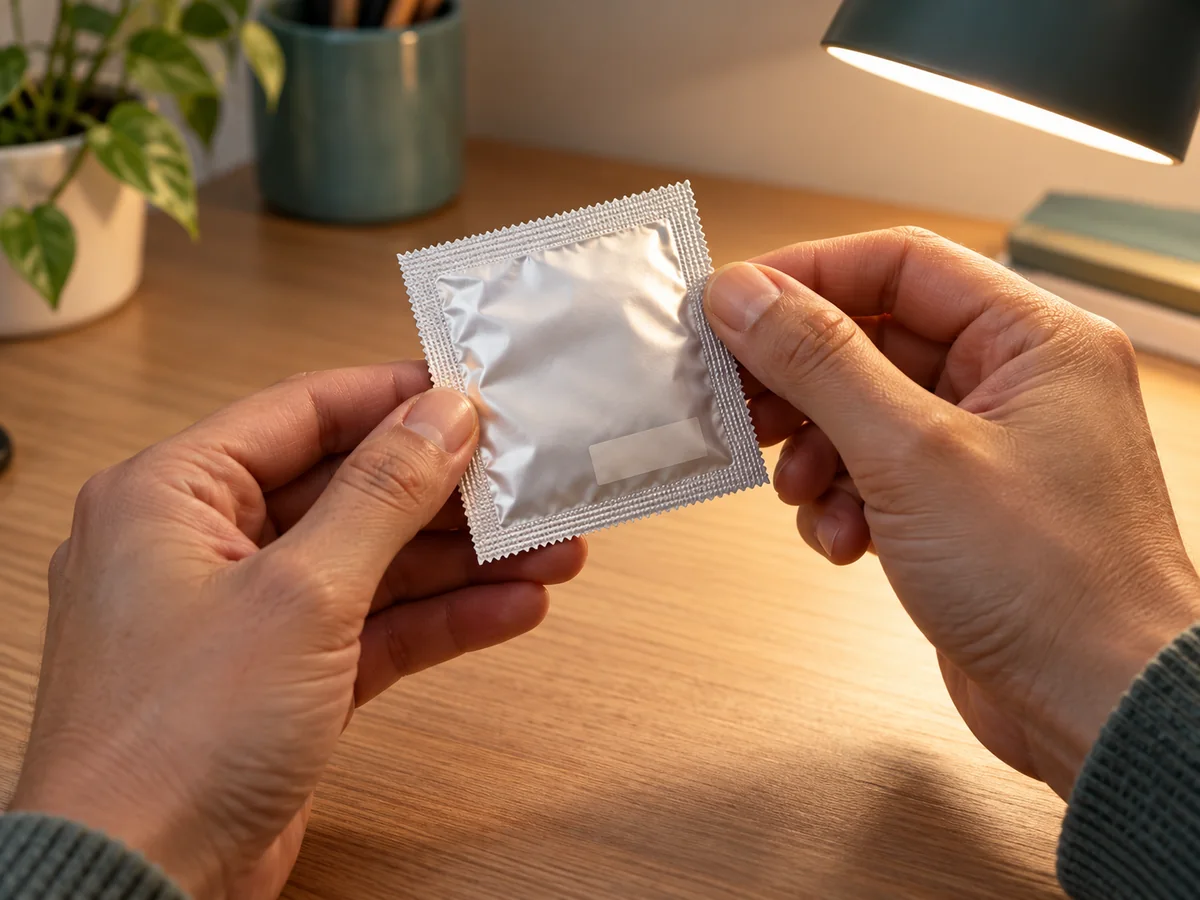
Separe los datos útiles de las preferencias de marketing
Sabor, color, aroma, textura, y la delgadez percibida puede afectar las preferencias personales, pero no reemplazan las comprobaciones básicas del paquete.. Una afirmación como "ultradelgada" está incompleta sin una especificación verificada, y palabras como “máximo," "médico,” o “clínicamente probado” requieren evidencia en lugar de repetición.
Los datos útiles del listado son concretos: material nombrado, dimensiones indicadas, contar, embalaje individual sellado, información de fecha, guía de almacenamiento, direcciones completas, y una forma de contactar al vendedor sobre discrepancias.. Incluso entonces, confirmar la etiqueta recibida. Evite asumir que un paquete que parece familiar demuestra su aprobación., esterilidad, ajuste universal, o un nivel de protección garantizado.
Revise la página del vendedor y los detalles de entrega
La disponibilidad en línea puede facilitar la comparación, pero la página del vendedor debe proporcionar suficiente información para evaluar el artículo antes del pago.. Compruebe si el nombre del producto, cantidad, material, dimensiones enumeradas, instrucciones, y las fotos del paquete concuerdan entre sí. Busque un proceso claro de devolución o entrega dañada, especialmente porque un producto íntimo abierto puede no ser retornable.
Tenga cuidado cuando varios vendedores reutilicen las mismas fotografías y proporcionen especificaciones diferentes.. Guardar el registro del pedido, inspeccionar el producto a su llegada, y póngase en contacto con el vendedor si el paquete recibido difiere del listado. No utilices un producto simplemente porque devolverlo es un inconveniente..
Utilice una lista de verificación de decisiones compacta
- ¿El producto se identifica como una barrera plana destinada al contacto oral planificado??
- ¿Están indicados claramente el material y las dimensiones??
- ¿Puedes encontrar un uso completo?, almacenamiento, lubricante, y direcciones de eliminación?
- ¿La fecha de vencimiento es legible y actual??
- ¿Está cada envoltorio sellado y libre de daños visibles??
- ¿Coinciden la etiqueta entregada y el listado del vendedor??
- ¿Están las características de preferencia separadas de las afirmaciones de seguridad o rendimiento??
Para una visión más amplia de por qué difieren las formas de las barreras, Callimis descripción general de los formatos de barrera puede proporcionar contexto de categoría. No utilice una página de descripción general para anular las instrucciones propias de un producto..
Mantenga realista la afirmación de riesgo
El objetivo de una lista de verificación de compras es la selección informada., no es una promesa de riesgo cero. Guía de riesgos del sexo oral de los CDC dice que los métodos de barrera pueden reducir el riesgo de contagiar o contraer una ITS durante el sexo oral. “Reducir” es la palabra importante: una barrera dental no elimina todos los riesgos posibles, y un paquete no debe leerse como una garantía.
Guía de Planned Parenthood sobre protectores dentales describe colocar la sábana sobre la vulva o el ano y sostenerla suavemente sin estirarla. Ese consejo práctico refuerza dos preguntas sobre compras: ¿Las instrucciones son claras?, ¿La hoja llega en condiciones que permitan seguir esas instrucciones??
Preguntas frecuentes
¿El protector dental más delgado es automáticamente la mejor opción??
No. La delgadez es una especificación, no es prueba de calidad, comodidad, durabilidad, o efectividad. Verificar el material, fecha, condición del envoltorio, instrucciones, y evidencia de respaldo para cualquier reclamo de desempeño.
¿Debo comprar un producto si el material no está en la lista??
No. La información del material es necesaria para seguir las instrucciones de manipulación y lubricantes.. Pídale al vendedor información documentada del paquete o elija una opción con una etiqueta clara.
¿Un sabor o color cambia la forma en que se debe usar la presa??
Esas características pueden afectar la preferencia., pero no reemplazan las instrucciones del producto.. Siga las mismas comprobaciones del paquete primero y no asuma que un sabor o color demuestra que es saludable., calidad, o beneficio de desempeño.
La conclusión
Comprar protectores dentales se vuelve más simple cuando se ignoran los superlativos vagos y se comparan detalles verificables: actividad prevista, material, dimensiones, fecha actual, envoltura individual intacta, almacenamiento, compatibilidad de lubricantes, y direcciones completas. Confirme el paquete recibido antes de usarlo., reemplazar cualquier opción dañada o poco clara, y recuerda que una barrera puede reducir el riesgo sin garantizar una protección completa.