
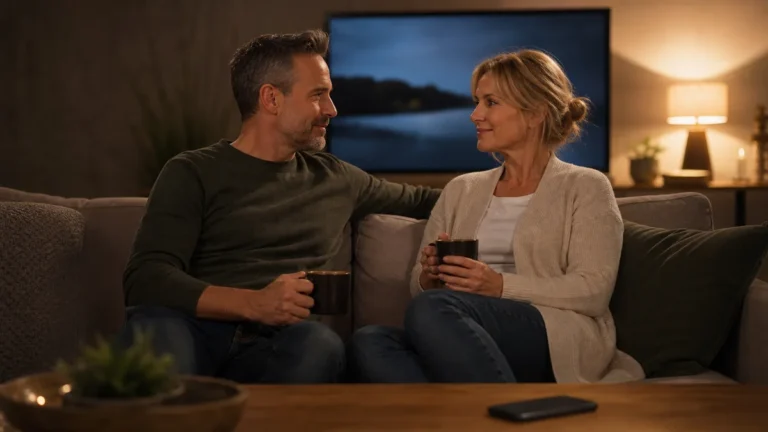
استئناف العلاقة الحميمة بعد لحظة حرجة فقط إذا شعر جميع المعنيين بالارتياح عند اختياره مرة أخرى. وقفة أولا, الاعتراف بما حدث دون إلقاء اللوم, واسأل عما يريده كل شخص الآن. مستمر, تغيير المسار, إعادة الاتصال دون نشاط جنسي, والتوقف لهذا اليوم كلها نتائج صحيحة.
يمكن أن تكون "اللحظة المحرجة" بمثابة إنذار للهاتف, ضحك غير متوقع, موقف لا يعمل, ضجيج, سؤال يهبط بشكل سيء, أو تغير مفاجئ في المزاج. لا يعني أي من ذلك تلقائيًا أن التجربة بأكملها قد دمرت. إنها تعني أن الزخم القديم قد توقف مؤقتًا, لذلك يجب اختيار الخطوة التالية بدلاً من افتراضها. إذا كنت تريد سياقًا محايدًا حول النشاط نفسه, هذه النظرة العامة على أساسيات اللعب بالأصابع منفصل عن إرشادات الاتصال هنا.
كيفية استئناف العلاقة الحميمة بعد لحظة حرجة
يمكن أن تكون عملية إعادة الضبط الهادئة قصيرة جدًا: توقف عن الحركة, خذ نفسا, تسمية المقاطعة, وتسجيل الوصول. قد تقول, "لقد فاجأني ذلك. كيف تشعر?ثم استمع دون التسرع في إصلاح الحالة المزاجية. إذا كان كلا الشخصين يريدان الاستمرار, الاتفاق على خطوة تالية صغيرة. إذا كان أي شخص غير متأكد, غير مريح, أو انتهى, دع اللحظة تتوقف.
الهدف ليس إعادة خلق الحالة المزاجية الدقيقة التي كانت موجودة قبل ثلاثين ثانية. الهدف هو جعل الاختيار الحالي واضحا. هذا الاختلاف يمنع الانقطاع غير المؤذي من أن يصبح ضغطًا.
حدد أولاً نوع التوقف المؤقت الذي حدث
ليست كل لحظة محرجة تحتاج إلى نفس الرد. قبل اقتراح إعادة التشغيل, لاحظ أي من هذه المواقف العامة هو الأقرب:
- انقطاع خفيف: يدخل حيوان أليف, يرن الهاتف, شخص يفقد التوازن, أو يضحك كلا الشخصين على نفس المفاجأة غير المؤذية.
- تغيير الراحة: يصبح شخص ما مشتتا, متوتر, الوعي الذاتي, مبالغ فيه, مرهق, أو غير متأكدين مما يريدون.
- قلق الحدود: تم تفويت الطلب, كان التعليق مؤلمًا, شخص ما انسحب بعيدا, أو أن الشخص لم يعد يريد هذا النشاط.
قد لا تحتاج المقاطعة الخفيفة إلا إلى ابتسامة وسؤال سريع. يحتاج التغيير المريح إلى مساحة للحصول على إجابة حقيقية. يحتاج القلق الحدودي إلى توقف النشاط; لا تعاملها على أنها مشكلة مزاجية يجب إصلاحها. ليس عليك تشخيص رد فعل شخص آخر للرد باحترام.

لا تفترض أن الاستئناف هو الهدف
فمن السهل أن نسأل, "هل نحن بخير للاستمرار?"بطريقة تجعل نعم تبدو وكأنها الإجابة المتوقعة. إعادة الضبط الأفضل تمنح كل خيار وزنًا متساويًا: "هل ترغب في الاستمرار, تغيير ما نقوم به, مجرد الجلوس معا, أو توقف?قد تكون الإجابة أيضًا "لا أعرف". عدم اليقين ينتمي إلى عمود الإيقاف المؤقت, وليس عمود المتابعة.
إرشادات موافقة RAINN يصف الموافقة بأنها واضحة, طوعي, ومستمرة, ويقول أنه يمكن سحبها أثناء النشاط. إن الإجابة بنعم مبكرًا لا تتطلب من أحد استعادة الحالة المزاجية أو استئنافها بعد انقطاع. وهذا هو السبب أيضا تفضيلات العلاقة الحميمة المختلفة بحاجة إلى خيارات بدلاً من التنافس حول خطته الصحيحة.
استخدم إعادة تعيين سؤالين
يمكن لسؤالين منفصلين أن يجعلا عملية تسجيل الوصول بسيطة:
- "كيف تشعر الآن?" هذا يسأل عن الحاضر دون أن يقرر ما يجب أن يحدث بعد ذلك.
- "ما هو الأفضل من هنا?" تقديم بعض الخيارات الحقيقية, بما في ذلك التوقف, ثم اترك وقتا للإجابة.
تجنب المطالبة بالطمأنينة بأسئلة مثل "هل أفسدت الأمر؟?"أو" أنت لست مجنونا, يمين?"هذه الأسئلة يمكن أن تجعل الشخص الآخر يهتم بمشاعرك قبل أن يسمي مشاعره الخاصة. إذا قمت بمزحة جارحة, تجاهل إشارة, أو تجاوز الحد المعلن, تحمل المسؤولية مباشرة. الاعتذار مناسب; طلب المغفرة الفورية أو تجديد العلاقة الحميمة ليس كذلك.
الحب هو توجيه الحدود الجسدية للاحترام يؤكد على التواصل المفتوح والراحة عند التحدث عندما يتغير شيء ما. يعد تسجيل الوصول مفيدًا لأنه يجعل هذا التغيير قابلاً للمناقشة دون مطالبة أي شخص بالدفاع عنه.

دع الضحك يتصل, لا تحرج
لا يعد الضحك أثناء العلاقة الحميمة علامة تلقائية على وجود خطأ ما. في بعض الأحيان يفاجأ الناس, مرتاح, حساس, متوتر, أو ببساطة مسليا بالانقطاع. ولا تعطي معنى دون سؤال. لطيف "هل نضحك معًا?يمكن أن يوضح ما إذا كانت اللحظة تبدو مشتركة.
إذا كان الضحك على جسد شخص ما, رد فعل, قدرة, أو طلب, قد يكون التأثير محرجًا حتى لو لم يكن هناك أي ضرر مقصود. توقف عن النكتة, اعتذر بوضوح, ومنح الشخص الآخر السيطرة على ما سيحدث بعد ذلك. لا تستخدم عبارة "كنت أمزح فقط" لتجادل بشأن رد فعلهم.
اختر خطوة تالية صغيرة
عندما يريد كلا الشخصين بوضوح إعادة الاتصال, ابدأ بشكل أصغر من النشاط المتقطع. قد تكون الخطوة التالية هي الإمساك بالأيدي, تغيير الموسيقى, الحصول على الماء, الانتقال إلى مكان أكثر راحة, العودة إلى التقبيل, اختيار نشاط مختلف, أو مجرد التحدث لمدة دقيقة أخرى. كل خطوة جديدة لا تزال بحاجة إلى استجابة راغبة.
إرشادات التواصل الجنسي لتنظيم الأسرة يلاحظ أن يحب, يكره, حدود, وما هو جيد يمكن أن يتغير بمرور الوقت. وينطبق الشيء نفسه في ليلة واحدة. العودة إلى القرب لا تلزم أحداً بالعودة إلى النشاط الذي توقف فيه تماماً.
- يكمل: فقط بعد تيار واضح نعم, مع خطوة تالية محددة.
- تغيير الدورة: اختر نشاطًا مختلفًا, موضع, خطوة, أو الإعداد الذي يريده الجميع.
- أعد الاتصال بطريقة غير جنسية: يتحدث, استراحة, مشاركة الشراب, أو الجلوس معًا دون التعامل مع ذلك كجسر للعودة إلى الجنس.
- قف: إنهاء النشاط دون عقاب, عابس, المساومة, أو السؤال المتكرر.

عندما لا تستأنف
لا تستأنف بينما يكون شخص ما صامتًا, مجمدة, مخيف, بالأسى, ضعف بشكل ملحوظ, مضغوط, أو غير قادر على اتخاذ خيار واضح. توقف إذا تم تجاوز الحدود ولم تتم معالجتها, أو إذا استمر أحد الأشخاص في السؤال بعد رفض الآخر. لا توجد فائدة في العلاقة تجعل الاستمرار الفوري ضروريًا.
إرشادات العلاقة الصحية في كورنيل هيلث يسرد احترام احتياجات كل شخص, الرغبات, والحدود, إلى جانب المشاركة في الأنشطة التي تتم بالتراضي, من السمات المشتركة للعلاقات الصحية. هذا المعيار مهم أكثر من ما إذا كان المساء يتبع خطته الأصلية.
تحدث لاحقًا إذا كانت اللحظة تحتاج إلى مساحة أكبر
تصبح بعض اللحظات المحرجة أسهل للمناقشة بعد انتهاء الحدة المباشرة. اتفق على ما إذا كنت تريد تسجيل الوصول لاحقًا واختيار وقت الضغط المنخفض. اجعل المحادثة محددة: ماذا حدث؟, كيف اختبرها كل شخص, ما من شأنه أن يساعد في المرة القادمة, وما إذا كانت هناك حاجة إلى أن تكون أي حدود أكثر وضوحًا.
لا ينبغي أن يصبح الحديث اللاحق بمثابة مراجعة للأداء. استخدم لغة الشخص الأول, الاستماع دون تصحيح مشاعر الشخص الآخر, وتقبل أنك قد تتذكر اللحظة بشكل مختلف. لتأطير محادثة أوسع, راجع دليل Callimis ل التحدث بصراحة عن العلاقة الحميمة. أفكار الاتصال العامة هي نقطة البداية, في حين أن الخيار الحالي لا يزال ملكا للأشخاص المعنيين.
الأسئلة المتداولة
هل تعني اللحظة المحرجة أن الانجذاب قد انتهى؟?
ليس بالضرورة. انقطاعات, ضحك, إلهاء, وتغيير المشاعر يمكن أن يحدث لأسباب عديدة. اسأل عن اللحظة الحالية بدلًا من تخمين ما تعنيه بالنسبة للعلاقة.
ماذا لو أراد أحد الأشخاص الاستمرار والآخر لا يريد ذلك?
لا تستمر في النشاط الجنسي. يمكن لكلا الشخصين اختيار الخيار غير الجنسي الذي يريده حقًا, أو يمكن أن تأخذ مساحة. خيبة أمل شخص ما لا تخلق التزامًا على الشخص الآخر.
هل يجب أن أعتذر عن الضحك؟?
إذا ضحكتم معًا على مفاجأة غير ضارة, قد لا تكون هناك حاجة للاعتذار. إذا كان الضحك يسبب الإحراج أو يستهدف الشخص الآخر, اعتذر عن التأثير دون تقديم أعذار ودعهم يقررون ما يريدون بعد ذلك.
كم من الوقت يجب أن تستغرق إعادة التعيين?
لا يوجد توقيت صحيح. انقطاع خفيف قد يحتاج إلى سؤال واحد. قد تحتاج اللحظة المؤلمة أو المربكة إلى بقية المساء, محادثة لاحقة, أو قرار بعدم الاستئناف. الوتيرة المناسبة هي تلك التي تترك مجالاً لاختيار واضح وغير مضغوط.
خلاصة القول
استئناف العلاقة الحميمة بعد لحظة حرجة من خلال التعامل مع الإيقاف المؤقت كمعلومات جديدة, ليست عقبة للتغلب عليها. اسأل كيف يشعر كل شخص, جعل الاستمرار والتوقف مقبولا على حد سواء, واختر فقط الخطوة التالية التي يريدها الجميع بوضوح. في بعض الأحيان تكون عملية إعادة التعيين الأكثر دفئًا هي الضحك وتسجيل الوصول; في بعض الأحيان يكون الشاي, فضاء, أو إنهاء النشاط. واحترام هذا الاختيار أهم من استعادة الحالة المزاجية.