
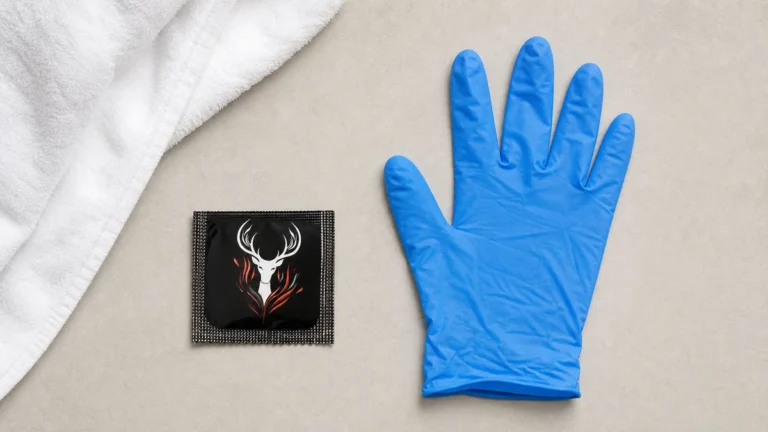
الواقي الذكري الإصبعي مقابل القفازات للمس الحميم هي في الأساس مسألة التغطية والغرض الذي تم التحقق منه من المنتج: يغطي الواقي الذكري إصبعًا واحدًا, بينما يغطي القفاز القابل للتصرف الأصابع, نخل, والمعصم. لا تعد أي من الفئتين دائمًا الخيار الأفضل أو الأكثر أمانًا. تحقق من الاستخدام المقصود للمنتج بالضبط, مادة, مقاس, ملائم, التشحيم أو المواد المضافة, حالة, وراحة شريكك قبل اتخاذ القرار.
إذا كان النشاط يتضمن إصبعًا واحدًا وتريد كشف بقية اليد, قد يتناسب حاجز الإصبع الواحد مع هذه المهمة الضيقة. إذا كانت عدة أصابع أو أكثر من اليد قد تكون متورطة, القفاز الكامل يوفر تغطية جسدية أكبر. التغطية ليست سوى جزء واحد من القرار, لكن. يعتبر ملصق المنتج والإرشادات الرسمية أكثر أهمية من الافتراضات المستندة إلى عبارة "الواقي الذكري الإصبعي".,""سرير الإصبع,"أو" قفاز يمكن التخلص منه ".
الواقي الذكري الإصبعي مقابل القفازات للمس الحميم: الفرق الرئيسي
الفرق الأكثر وضوحا بسيط. الواقي الذكري على شكل إصبع يغطي إصبعًا واحدًا. يتم تصميم القفاز القابل للتصرف لتغطية اليد بأكملها ويمتد عادة إلى المعصم. تصف خدمة الصحة الجنسية في مستشفى جامعة هومرتون الأبواب المفتوحة مهود الأصابع كأغطية لإصبع واحد قد يكون ذلك مفيدًا عندما لا يكون القفاز بأكمله ضروريًا.
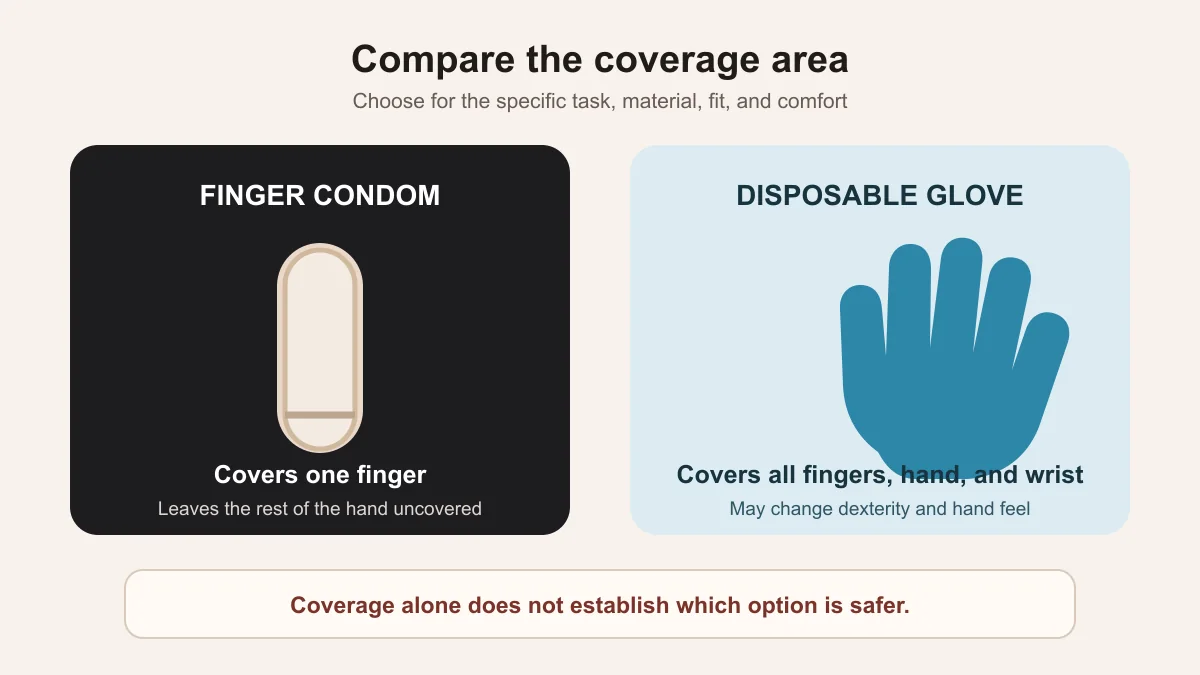
| نقطة القرار | الواقي الذكري الاصبع | قفاز يمكن التخلص منه |
|---|---|---|
| التغطية | إصبع واحد | الأصابع, نخل, ظهر اليد, ومنطقة المعصم |
| حركة | يترك الأصابع المكشوفة حرة | يتحرك كحاجز كامل لليد |
| مادة | يعتمد على المنتج; تم التحقق من كاليميس من اللاتكس الطبيعي | يختلف حسب المنتج, بما في ذلك اللاتكس والمواد الاصطناعية |
| تشحيم | يعتمد على المنتج; يتم تشحيم Callimis مسبقًا | لا تفترض وجود مواد التشحيم الشخصية أو أن الإضافات تناسب الاتصال الحميم |
| الاستخدام المقصود | اقرأ الملصق الحالي; Callimis مخصص للاستخدام في مجال النظافة الحميمة والشخصية للبالغين | اقرأ الملصق الحالي; طبي, خدمة الطعام, أُسرَة, والقفازات الصناعية يمكن أن يكون لها استخدامات مختلفة |
تصف هذه المقارنة الشكل والحقائق التي تم التحقق منها, ليست فعالية نسبية. يقوم اختصاصيو التثقيف في مجال الصحة الجنسية بإدراج القفازات ضمن خيارات العوائق في بعض السياقات. على سبيل المثال, إرشادات تنظيم الأسرة حول الجنس الأكثر أمانًا يذكر قفازات اللاتكس والنتريل كطرق لتقليل ملامسة السوائل الجنسية. وهذا لا يثبت أن كل القفازات, أو أي واقي ذكري خاص بالإصبع, يزيل الأمراض المنقولة بالاتصال الجنسي أو خطر العدوى.
ابدأ بملصق المنتج, ليس افتراض الفئة
"القفازات التي تستخدم لمرة واحدة" هي وصف واسع النطاق, لا توجد مواصفات واحدة تم التحقق منها. وتباع بعض القفازات لإجراء الفحوصات الطبية, أخرى لتداول الأغذية, تنظيف, خدمات التجميل, أو الأعمال المنزلية العامة. موادهم, إضافات, متطلبات الجودة, الأحجام, ويمكن أن تختلف الاتجاهات. لا ينبغي التعامل مع الصندوق الذي يقول فقط "يمكن التخلص منه" على أنه تأكيد تلقائي لمدى ملاءمته للاتصال الحميم.
ال إرشادات القفازات الطبية الصادرة عن إدارة الغذاء والدواء تقول إن ملصقات القفازات الطبية تحدد المادة وتنصح المستخدمين بالتحقق من ملاءمتها, استبدل القفازات الممزقة, ولا تغسلها أو تعيد استخدامها أبدًا. تنطبق هذه العبارات على القفازات الطبية. فهي لا تحول القفازات المنزلية أو الصناعية إلى جهاز طبي, ولا تثبت ملاءمتها لاستخدام مختلف.
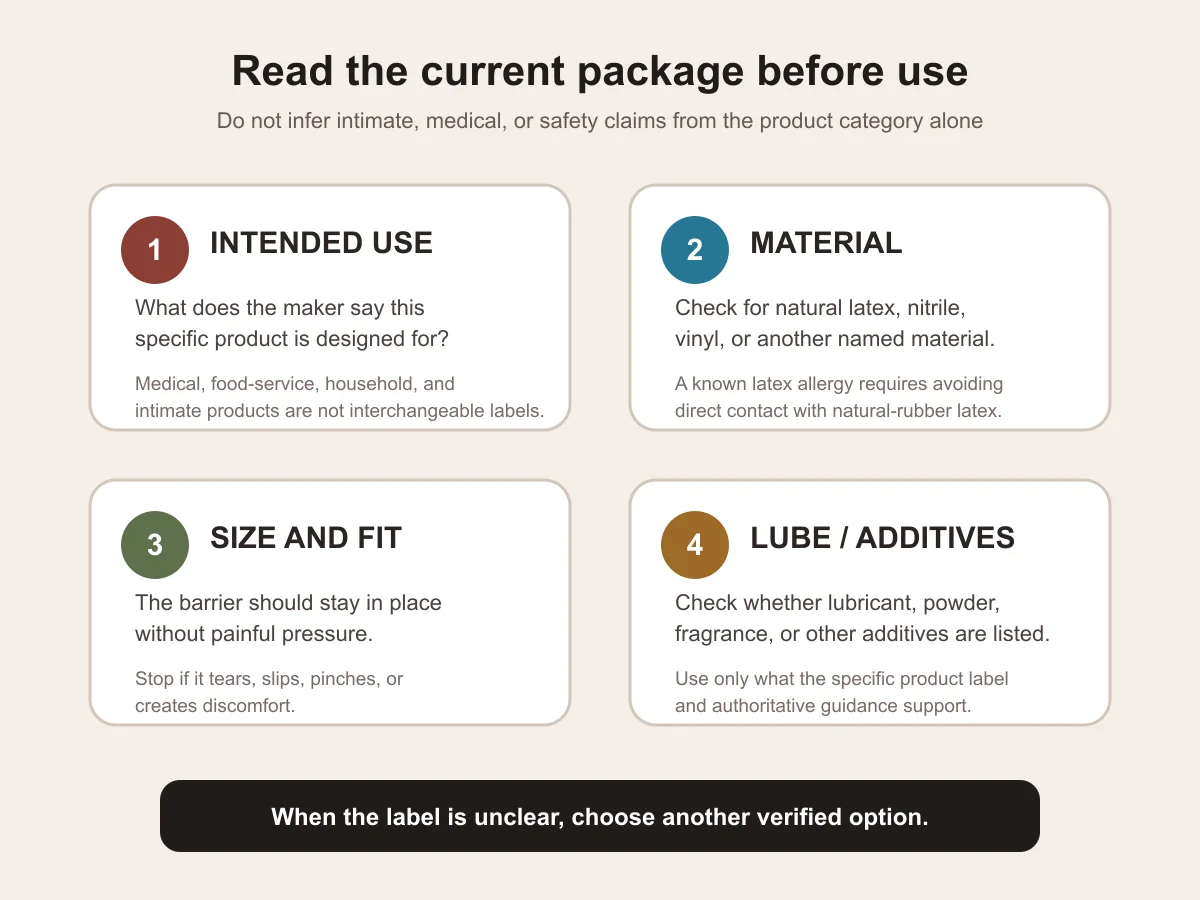
تطبيق نفس الانضباط على الواقي الذكري الإصبع. تحدد حقائق Callimis التي تم التحقق منها مادة اللاتكس الطبيعي, على شكل إصبع, منتج مشحم مسبقًا مخصص للاستخدام في مجال النظافة الحميمة والشخصية للبالغين. يستخدم أساسًا مائيًا, مادة تشحيم خالية من السيليكون وهي منتج للاستخدام مرة واحدة. هذه الحقائق لا تثبت العقم, الموافقة التنظيمية, الأداء السريري, أو ضمان الراحة أو الحماية.
قارن التغطية, حركة, وصالح
قد يكون حاجز الإصبع الواحد منطقيًا عندما يحتاج إصبع واحد فقط إلى التغطية ويجب أن تظل الأصابع المكشوفة حرة للقيام بالمهام غير الحميمة, تواصل, أو التوازن. قد يكون ارتداء القفاز الكامل أكثر منطقية عندما يتضمن النشاط عدة أصابع أو يد. هيئة الخدمات الصحية الوطنية, على سبيل المثال, ينصح قفازات لاتكس مع مادة تشحيم مائية للقبضة المهبلية أو الشرجية, سياق يتضمن استخدام اليد بشكل أكبر بكثير من لمسة إصبع واحد.
إن المزيد من التغطية لا يعد أفضل تلقائيًا لكل موقف. يمكن للقفاز الكامل أن يغير قبضته, حرارة, يشعر اليد, والحركة الدقيقة. الواقي الذكري الإصبعي يترك المزيد من الجلد مكشوفًا, مما قد يؤثر على ما يحدث من اتصال خارج الإصبع المغطى. حدد المنطقة التي تحتاج بالفعل إلى حاجز, كم عدد الأصابع سوف تشارك, وما إذا كان المنتج يبقى في المكان المقصود دون ضغط مؤلم, التجميع, أو الانزلاق.
أظافر حادة, مجوهرات, والتعبئة التالفة تستحق الاهتمام أيضًا. تحذر إرشادات إدارة الغذاء والدواء من أن الأشياء الحادة يمكن أن تثقب القفازات الطبية. من المعقول إبعاد الأدوات الحادة عن أي حاجز رفيع, ولكن لا تفترض أن فئتي المنتجات لهما مقاومة متطابقة للثقب. أوقف المنتج واستبدله إذا تمزق, زلات, أو تبدو تالفة; لا تستمر في العمل لمجرد أن الانقطاع يبدو محرجًا.
التحقق من مسألة المواد واللاتكس
أسماء المواد مهمة. تم التحقق من أن Callimis لاتكس طبيعي. يمكن صنع القفازات التي تستخدم لمرة واحدة من المطاط الطبيعي, النتريل, الفينيل, البولي يوريثين, أو مادة أخرى, اعتمادا على المنتج المحدد. الداخلية دليل لمواد وأشكال الواقي الذكري يمكن أن تساعد في المفردات, لكن ادعاءاتها القديمة لا ينبغي أن تحل محل الحزمة الحالية أو مصدر موثوق.
يوضح CDC/NIOSH ذلك يمكن أن يسبب التعرض للمطاط الطبيعي واللاتكس حساسية أو تفاعلات حساسية. إذا كان لديك حساسية معروفة من مادة اللاتكس, تجنب الاتصال المباشر بمنتجات اللاتكس الطبيعي واسأل الطبيب المناسب عن البدائل. لا ينبغي أن يتم تقديم Callimis على أنها مناسبة لشخص يعاني من حساسية اللاتكس. لا تزال القفازات "غير اللاتكس" بحاجة إلى مادة خاصة بها, المضافة, ومراجعة الاستخدام المقصود; العبارة وحدها ليست ضمانة عالمية للملاءمة.
قارن التشحيم والمواد المضافة
تم التحقق من أن Callimis مشحم مسبقًا بأساس مائي, مواد تشحيم خالية من السيليكون. هذه حقيقة المنتج, وليس وعدا بأن المبلغ سوف يناسب كل شخص أو نشاط. الموجود دليل الواقي الذكري الإصبعي المشحم مسبقًا يوفر خلفية استخدام المنتج, لكن توجيهات الحزمة الحالية وحقائق المشروع التي تم التحقق منها يجب أن تتحكم في أي مكان تقدم فيه النسخة القديمة مطالبات أوسع.
قد لا تحتوي القفاز القابل للتصرف على مواد تشحيم شخصية. قد يحتوي أيضًا على مسحوق, المعالجات السطحية, تلوينات, أو غيرها من الإضافات حسب فئتها وتصنيفها. لا تضف مادة تشحيم حميمية حتى يتم التحقق من توافقها مع مادة القفاز تلك ويتم التحقق من مادة التشحيم. لا تفترض نصيحة بشأن نقل الواقي الذكري الخارجي إلى كل قفاز, ولا تفترض أن السطح الأملس أو الخالي من البودرة يعني أن المنتج مصمم للاتصال الحميم.
ما لا يمكن أن تثبته هذه المقارنة
لا يمكن لمقارنة الفئات تحديد أداء منتج غير مسمى. قفاز الفحص الطبي له غرض طبي منظم, لكن حالة إدارة الغذاء والدواء الأمريكية لهذا القفاز لا تشكل توصية للاستخدام الحميم. على العكس من ذلك, لا يصبح منتج النظافة الحميمة للبالغين جهازًا طبيًا لأنه يشكل حاجزًا. يجب أن يأتي الادعاء ذو الصلة من دليل على المنتج الدقيق والاستخدام الدقيق.
كما أنه من غير الدقيق تحويل التغطية المادية إلى نسبة من الحماية. يغطي القفاز المزيد من جلد اليد, لكن التلامس المكشوف من الجلد إلى الجلد لا يزال من الممكن أن يحدث في مكان آخر. يغطي الواقي الذكري مساحة أقل من اليد, لكن هذا النموذج الأضيق قد يتطابق مع مهمة ذات إصبع واحد. لا تزود أي من المراقبة STI, عدوى, الحمل, مقاومة المسيل للدموع, أو بيانات الفعالية السريرية.
أخيراً, التفضيل ليس دليلا. قد يقدر شخص واحد التغطية الكاملة; وقد يفضل آخر حركة الأصابع المكشوفة. هذه التفضيلات مهمة للموافقة والراحة, لكنهم لا يتحققون من توافق المواد, ملاءمة الحساسية, أو أداء المنتج. احتفظ بالتفضيل الشخصي, أدلة التسمية, والتوجيه الصحي كثلاثة أجزاء منفصلة من القرار.
قائمة مرجعية للاختيار العملي
- قم بتسمية منطقة التغطية. إصبع واحد, عدة أصابع, النخيل, أو المعصم?
- اقرأ الاستخدام المقصود. قم بتأكيد ما يقوله المصنع عن هذا المنتج بالضبط بدلاً من الاعتماد على اسم الفئة.
- تحقق من المادة. ابحث عن اللاتكس الطبيعي, النتريل, الفينيل, أو مادة أخرى مسماة وتفسر الحساسية المعروفة.
- مراجعة التشحيم والمواد المضافة. تحقق مما هو موجود بالفعل على المنتج وماذا, إذا كان أي شيء, متوافق معها.
- التحقق من الحالة والملاءمة. استخدام سليمة, منتج صالح للتاريخ عندما توفر التسمية تاريخًا; توقف إذا دموع, زلات, القرصات, أو يشعر بالخطأ.
- اتفق على الخطة. اسأل عن التغطية والإحساس الذي يفضله شريكك, وجعل الإيقاف المؤقت أو التبديل أمرًا سهلاً.
- استخدم حاجزًا جديدًا عند الحاجة. اتبع توجيهات المنتج وقم بتغيير الحواجز عند التبديل بين الأشخاص أو مناطق الجسم بدلاً من نقل البقايا من مكان إلى آخر.
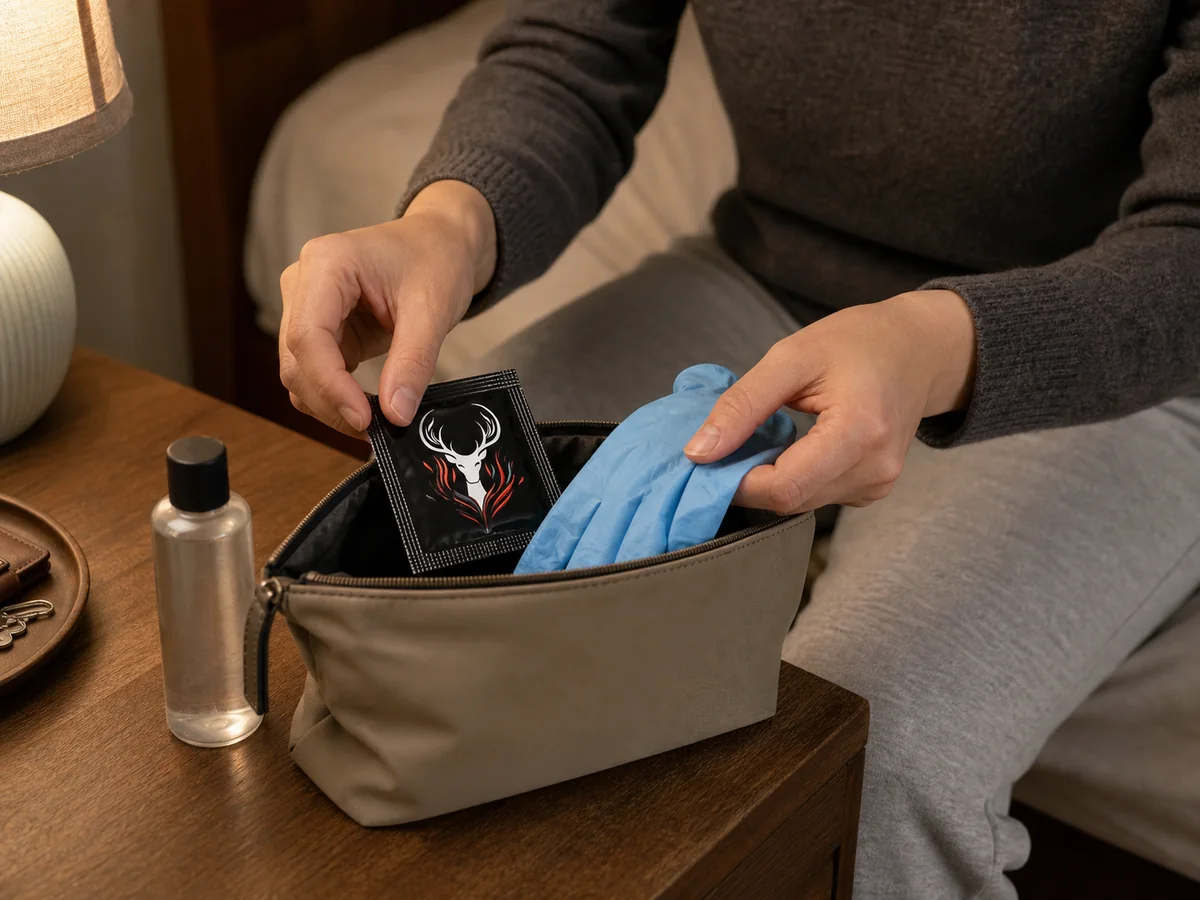
تهدف القائمة المرجعية إلى إبطاء الافتراضات, لا تجعل التحضير السريري. محادثة بسيطة مثل "هل تفضل التغطية بإصبع واحد أم بقفاز كامل?"يمكن تحديد الحاجة العملية دون الإشارة إلى أن أيًا من الخيارين إلزامي. يمكن أن تتغير الموافقة والراحة في أي وقت.
التعامل مع الاستخدام الواحد والتنظيف
اغسل وجفف يديك قبل التعامل مع الحاجز. افحص الغلاف أو القفاز واتبع التوجيهات الحالية. إذا تمزق عنصر يمكن التخلص منه, زلات, أو تصبح ملوثة, وقف واستبداله. بعد الإزالة, اغسل يديك مرة أخرى. تقول إدارة الغذاء والدواء الأمريكية (FDA) على وجه التحديد أنه لا ينبغي أبدًا غسل القفازات الطبية, تطهيرها, مشترك, أو إعادة استخدامها; للقفازات الأخرى التي يمكن التخلص منها, اتبع التسمية الدقيقة بدلاً من افتراض تعليمات متطابقة.
تم التحقق من أن Callimis يستخدم لمرة واحدة. بعد الاستعمال, ضعها في النفايات المنزلية العادية ولا ترميها. الأوسع نظرة عامة على تنسيقات الحاجز الحميم يمكن أن تساعد في التمييز بين الفئات الأخرى, ولكن كل منتج لا يزال يحتاج إلى تعليماته الحالية الخاصة به.
الأسئلة المتداولة
هل الواقي الذكري هو نفس القفازات التي تستخدم لمرة واحدة؟?
لا. يغطي الواقي الذكري إصبعًا واحدًا, بينما يغطي القفاز القابل للتصرف منطقة اليد والمعصم بالكامل. موادهم, إضافات, تسميات, الاستخدامات المقصودة, ملائم, ويمكن أن تختلف متطلبات الجودة أيضًا.
هل يمكن استخدام أي قفاز يمكن التخلص منه للمس الحميم?
لا تفترض ذلك من كلمة "يمكن التخلص منه". تذكر إرشادات الصحة الجنسية قفازات اللاتكس أو النتريل في بعض السياقات, ولكنك لا تزال بحاجة إلى التحقق من مادة القفاز بدقة, الاستخدام المقصود, إضافات, مقاس, حالة, والتوافق مع أي مواد التشحيم. عندما تكون التسمية غير واضحة, اختر خيارًا آخر تم التحقق منه.
هل يوفر القفاز الكامل تغطية أكبر؟?
نعم, جسديا: فهو يغطي الأصابع, يُسلِّم, ومنطقة المعصم, بينما يغطي الواقي الذكري إصبعًا واحدًا. المزيد من التغطية لا يثبت في حد ذاته قدرًا أكبر من الأمان, ملاءمة, راحة, أو فعالية لنشاط حميم معين.
هل يمكن لشخص يعاني من حساسية اللاتكس استخدام Callimis?
يتكون Callimis من اللاتكس الطبيعي ولا يتم تقديمه على أنه مناسب للأشخاص الذين يعانون من حساسية اللاتكس. يجب على الشخص الذي يعاني من حساسية معروفة تجاه اللاتكس تجنب الاتصال المباشر بمنتجات اللاتكس الطبيعية وطلب المشورة الفردية من الطبيب المناسب.
خلاصة القول
عند المقارنة الواقي الذكري الإصبعي مقابل القفازات للمس الحميم, ابدأ بالمنطقة التي تريد تغطيتها, ثم تحقق من الاستخدام المقصود, مادة, ملائم, التشحيم أو المواد المضافة, حالة المنتج, وراحة الشريك. الواقي الذكري الإصبعي هو الخيار الأضيق الذي يستخدم بإصبع واحد; القفاز القابل للتصرف هو الخيار الأوسع لليد الكاملة. لا يمثل أي من التصنيفين اختصارًا لاستنتاج السلامة الشاملة.